5 Habits Making Crepey Skin Worse & How to Fix Them

Let’s play a little game. Picture this: you’re trying on that fabulous sleeveless dress you bought for your niece’s upcoming wedding. You catch a glimpse of your arms in the three-way mirror and pause. It’s not a wrinkle, not a spot, but a certain… texture. A delicate, tissue-paper-like crinkling on your inner arms or perhaps above your knees. Or maybe you saw it on your chest this morning, where your v-neck top dipped low. That, my friend, is the notorious crepey skin making its debut.
If you’ve ever looked at your skin and thought it resembled a piece of gently crumpled crepe paper, you know exactly what we’re talking about. It’s thinner, finer, and more fragile than a typical wrinkle. And while we’re all for embracing the beautiful map of our lives written on our skin, understanding *why* this texture appears is the first step to loving and caring for it well. It's often not just about the number of candles on your birthday cake; it’s about the daily habits that can悄悄 accelerate the process.
The great news? Many of these habits are surprisingly simple to change. Consider this your friendly intervention—a guide to breaking up with the sneaky culprits that are making your crepey skin worse. Let’s dive into five common habits and, more importantly, how to flip the script for skin that feels as resilient and vibrant as you are.
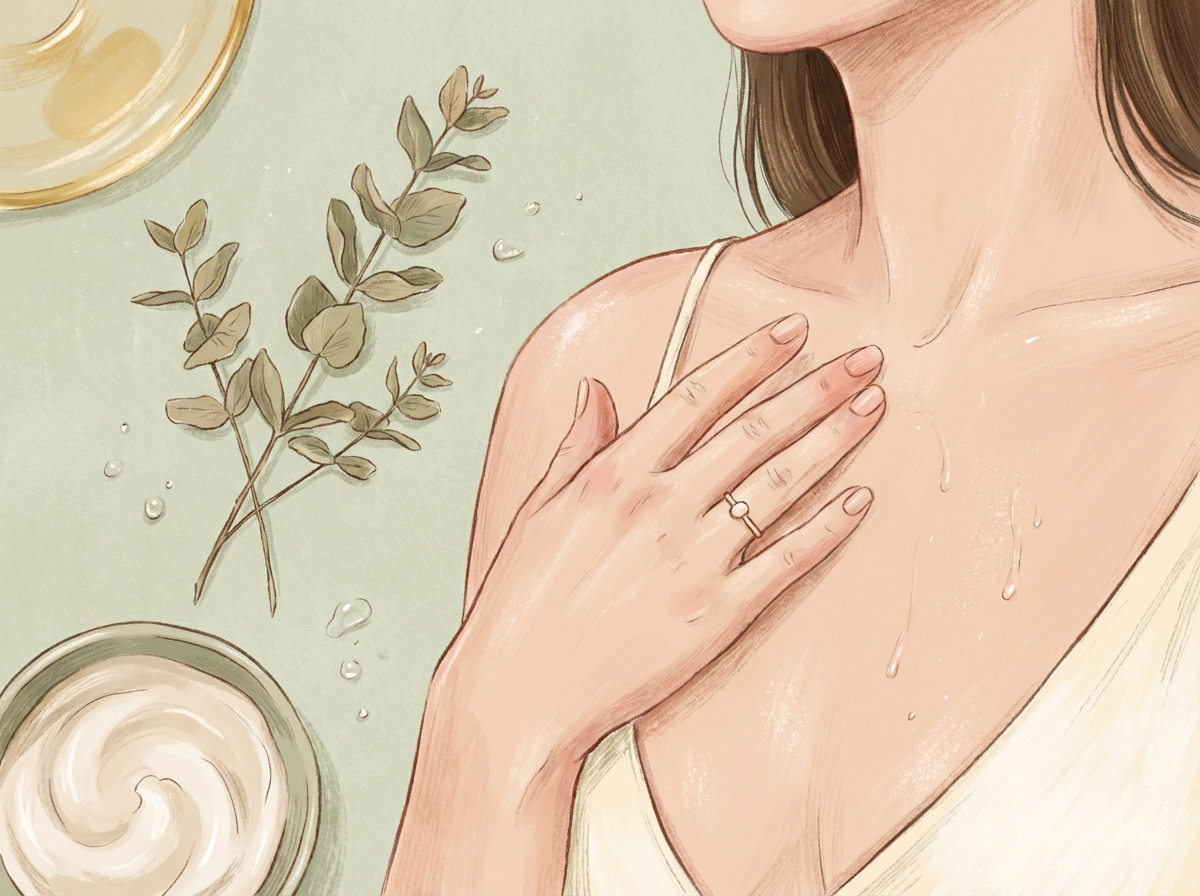
Habit #1: The Sun-Worshipping Sins of Our Youth (and Present!)
Oh, the glory days. Can’t you just smell the Coppertone and Hawaiian Tropic? We spent our summers stretched out on checkered blankets, armed with baby oil and sun reflectors, chasing the perfect tan. It was a rite of passage! While we wouldn’t trade those sun-drenched memories, our skin is now sending us the bill. Unprotected sun exposure is, without a doubt, the number one environmental factor contributing to the causes of crepey skin.
The Science Behind the Sun Damage
Think of your skin’s support structure as a brand-new mattress—firm, bouncy, and resilient. This structure is held up by two crucial proteins: collagen (which provides firmness) and elastin (which provides, you guessed it, elasticity). UV radiation from the sun, particularly UVA rays, penetrates deep into the skin and acts like a wrecking ball on this pristine structure.
These rays trigger a cascade of damage, breaking down collagen and elastin fibers at an accelerated rate. The Skin Cancer Foundation notes that cumulative sun exposure is responsible for up to 90% of the visible changes we call aging. Over time, this degradation is what thins the skin and weakens its ability to snap back, creating that signature crepey texture. The sun damage on your chest is a classic example—that area sees a ton of sun over the years, often when we forget to apply SPF below our chins.
“Think of elastin fibers like tiny rubber bands. Repeated, unprotected sun exposure is like leaving those rubber bands out in the hot Florida sun day after day. They become brittle, stretched out, and eventually, they lose their strength.”
How to Fix It: Your Sun-Smart Strategy
- Make SPF Your BFF: We can’t say it enough. A broad-spectrum sunscreen with an SPF of 30 or higher is non-negotiable, every single day. Rain or shine, indoors or out (UVA rays penetrate windows!), your skin needs protection.
- Go Beyond the Face: Your face is not an island! The most common areas for crepey skin are the neck, chest (décolletage), arms, and the area above the knees. Get into the habit of applying sunscreen to all exposed skin as part of your morning routine. Our post on Leg Day Luxury: Reviving Crepey Skin Below the Knee has some great tips for focusing on those forgotten spots.
- Double Down with Antioxidants: Sunscreen is your shield, but antioxidants are your secret weapon. They work to neutralize the free radical damage from any UV rays that might sneak through. Ingredients like Idebenone provide powerful protection, which we explore in our article, Spring Glow: Idebenone for Bright, Youthful Skin. Think of it as an insurance policy for your skin cells.
Habit #2: Running on Empty (Your Skin Included!)
You know that sluggish, headachy feeling you get when you realize you’ve only had coffee all day? Your skin has its own version of that. Dehydration, both internal and external, is a major accomplice in the crepey skin caper. It might not be a direct *cause* like sun damage, but it dramatically worsens its appearance, making skin look lackluster, slack, and years older.
The Science Behind the Thirst
Our skin is about 64% water. When we’re dehydrated, our body cleverly prioritizes, sending available water to our vital organs first. The skin, being on the periphery, is one of the last to get its share. This internal dehydration reduces blood flow to the skin and impairs its ability to function optimally. Cells become shrunken and sad, like little raisins instead of plump grapes.
Externally, a process called Transepidermal Water Loss (TEWL) is always at play. This is the natural evaporation of water from the surface of your skin. As we age, our skin barrier (the outermost layer) becomes less efficient at holding onto moisture, increasing TEWL. Without adequate hydration from both sides, the skin’s surface becomes parched, which exaggerates every fine line and bit of texture.
How to Fix It: The Two-Pronged Hydration Plan
- Drink Up, Buttercup: The classic "eight glasses a day" is a great starting point. If plain water feels like a chore, jazz it up! Infuse a pitcher with cucumber and mint, slices of orange and ginger, or a handful of berries. Unsweetened herbal teas also count toward your daily goal.
-
Quench from the Outside In: Your skincare routine is your secret to topical hydration. Look for products containing humectants—these are genius ingredients that act like moisture magnets, pulling water from the air and the deeper layers of your skin to the surface. Key players include:
- Hyaluronic Acid: Can hold up to 1,000 times its weight in water.
- Glycerin: An oldie but a goodie that is incredibly effective and gentle.
- Seal the Deal: After applying your hydrating serums, you need an occlusive or emollient moisturizer to lock it all in. This creates a protective barrier on the skin to prevent all that lovely moisture from evaporating away. Think of it like putting a lid on a pot of water.
Habit #3: The Sneaky Sugar Sabotage
Let's talk about the sweet stuff. That afternoon cookie, the extra spoon of sugar in your tea, the refined carbs in white bread and pasta—they might seem like innocent pleasures, but they could be secretly stiffening your skin's support system from within. This is one of the most under-the-radar lifestyle tips for mature skin that can make a world of difference.
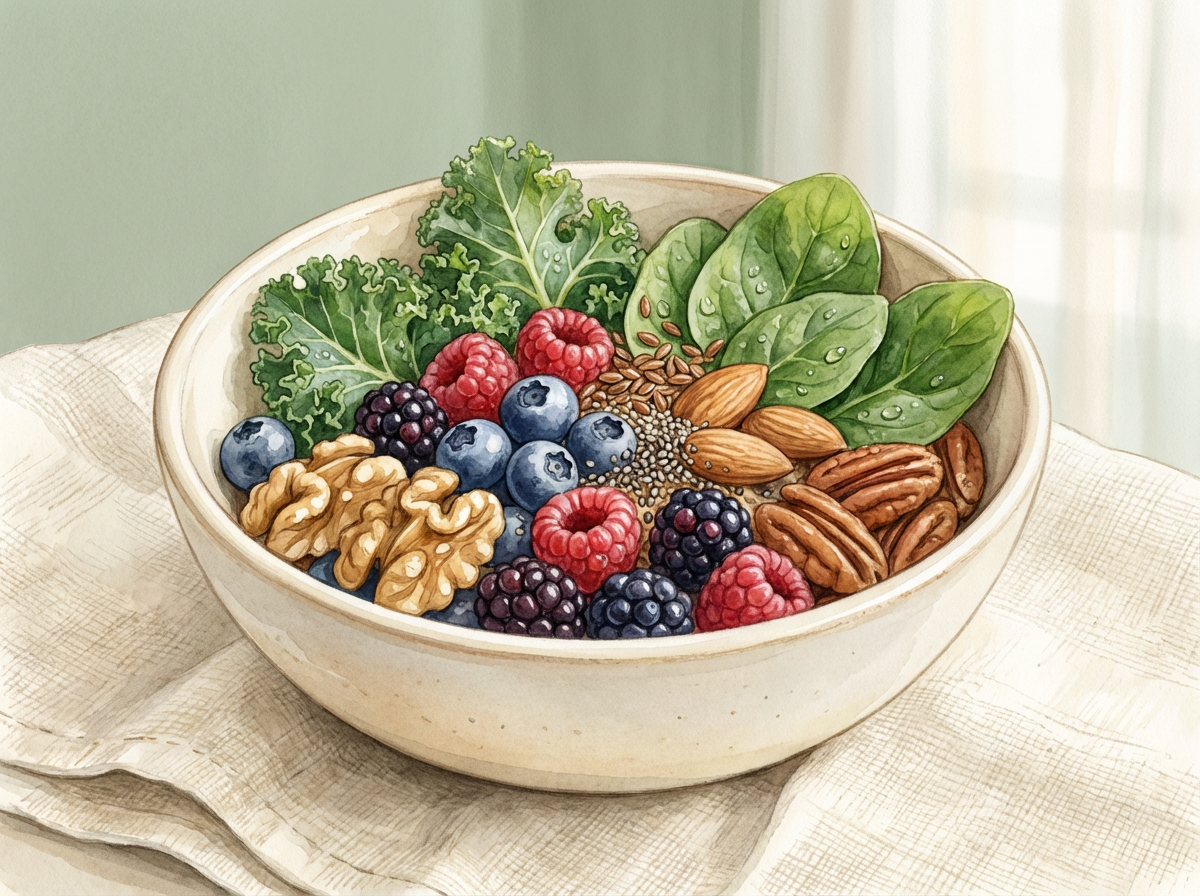
The Science Behind the Sweetness: Meet Glycation
When you consume excess sugar, it attaches to proteins in your body in a process called glycation. Think of it like sugar slowly caramelizing in a pan. In your skin, the proteins most affected are—you guessed it—collagen and elastin. This process creates harmful molecules called Advanced Glycation End-products, appropriately shortened to AGEs.
These AGEs are bad news for your skin. They cause the normally supple and flexible collagen and elastin fibers to become rigid, brittle, and weak. This compromises your skin's entire support network, leading to a loss of elasticity, increased wrinkling, and—you got it—crepey texture. A fascinating study in the British Journal of Dermatology found a direct correlation between higher levels of AGEs in the skin and a higher perceived age. Essentially, sugar can literally make you look older, faster.
How to Fix It: The Smart-Swap Approach
- It's Not About Deprivation: No one is asking you to give up everything you love! It’s about being mindful and making smarter choices. Swap that sugary soda for sparkling water with a squeeze of lime. Choose whole-grain bread over white. Opt for dark chocolate instead of milk chocolate.
- Eat the Rainbow: Flood your system with antioxidants to help fight the damaging effects of glycation. Fill your plate with colorful fruits and vegetables (berries are superstars!), lean proteins (which provide the building blocks for new collagen), and healthy fats like avocado and olive oil.
- Spice Things Up: Certain spices, like cinnamon, cloves, and ginger, have been shown to help inhibit the formation of AGEs. Sprinkle some cinnamon on your morning oatmeal or into your coffee for a skin-loving flavor boost!
Habit #4: Being a Little Too Rough Around the Edges
When we see a texture we don't like, our first instinct is often to scrub it away. We grab the loofah, the abrasive body scrub, the scratchy towel, and go to town. While exfoliation is a key part of any skincare routine, being overly aggressive, especially on delicate, thinning skin, can do more harm than good and is one of the hidden causes of crepey skin aggravation.
The Science Behind the Friction
The skin on our inner arms, chest, and neck is naturally thinner and has fewer oil glands than the skin on our face. This makes it more vulnerable to damage and dehydration. When you scrub vigorously, you’re creating micro-tears in the skin and stripping away its protective lipid barrier. This invites inflammation and further weakens an already fragile structure, making it harder for the skin to retain moisture and defend itself.
This habit often goes hand-in-hand with simply forgetting about our bodies. We spend hundreds of dollars and countless hours on our facial routines, only to hastily slap some random lotion on our body (if we remember at all!). This neglect starves the skin on our body of the active, nourishing ingredients it needs for preventing skin laxity and maintaining a healthy texture.
How to Fix It: The Gentle Touch Method
- Pat, Don’t Rub: After a shower, gently pat your skin dry with a soft, plush towel instead of rubbing yourself down like you’re sanding a piece of furniture. This small change reduces daily friction and helps your skin retain more of the water from your shower.
- Exfoliate Wisely: Ditch the harsh, gritty scrubs on delicate areas. Opt for gentle chemical exfoliants containing Alpha-Hydroxy Acids (AHAs) like Lactic Acid or Glycolic Acid. These work by dissolving the "glue" that holds dead skin cells together, revealing smoother skin without the physical trauma.
- Extend Your Routine South: Treat the skin on your body with the same respect you give your face. The skin on your décolletage and arms benefits immensely from targeted care. In fact, a gentle massage can be incredibly beneficial, as we detail in our guide on How to Massage Your Way to Smoother Arms and Chest. Taking the time to apply nourishing treatments is an act of self-care that pays visible dividends.
Habit #5: The Yo-Yo Effect on Your Skin’s Elasticity
Our bodies change over our lifetimes, and that’s a beautiful, normal thing. However, the cycle of rapid, significant weight loss and gain, often called "yo-yo dieting," can be particularly tough on our skin's resilience, especially as we get older and our innate elasticity is already on the decline.
The Science Behind the Stretch
Imagine a new balloon. You can inflate it and deflate it, and it snaps right back to its original shape. Now, imagine an older balloon that’s been stretched out many times. When you let the air out, it’s a bit saggy and wrinkled. Your skin’s elastin works in a similar way.
When you gain weight quickly, your skin has to stretch to accommodate it. When you lose that weight just as quickly, especially through crash diets that are often low in essential nutrients, your skin doesn’t have the time or the building blocks (like protein and vitamin C) to produce the collagen needed to adequately contract and remodel. With our natural elastin production slowing down significantly after 40, this effect is magnified. The result is skin laxity and a more pronounced crepey appearance, particularly in areas like the upper arms and stomach.
How to Fix It: A Focus on Stability and Support
- Embrace a Sustainable Lifestyle: Instead of drastic, short-term diets, focus on creating healthy, long-term habits. Gradual weight loss of 1-2 pounds per week gives your skin a much better chance to adapt and adjust.
- Nourish from Within: Support your skin's structure during any weight-management journey. Ensure you’re eating plenty of high-quality protein (for collagen building), Vitamin C (essential for collagen synthesis), and healthy fats (to keep skin supple). And, of course, stay hydrated!
- Provide Topical Reinforcement: This is where powerful skincare becomes your greatest ally. Using body creams formulated with peptides, antioxidants, and deeply hydrating ingredients can help support the skin, improve its tone, and boost its visible firmness and resilience. It gives your skin the topical nourishment it's craving to look and feel its best.
Your Action Plan for Supple, Happy Skin
Whew! That was a lot, but knowledge is power. Breaking up with these habits isn’t about perfection; it’s about progress. It’s about showing your skin a little extra love and understanding. Here’s your quick-reference action plan:
- Protect: Wear broad-spectrum SPF 30+ every single day on all exposed skin.
- Hydrate: Drink your water and use hydrating serums and moisturizers from the neck down.
- Nourish: Reduce excess sugar and fill your plate with skin-loving, antioxidant-rich foods.
- Be Gentle: Pat your skin dry and use gentle massage techniques and exfoliants.
- Support: Aim for stable, sustainable lifestyle habits to support your skin's elasticity.
At Hygieia Skin Care, we create our products with these very principles in mind. We believe skincare is an essential part of your self-care ritual—a way to nourish your body and honor its journey. Our formulas are packed with science-backed, clean ingredients designed to give your skin the tools it needs to be resilient, radiant, and healthy.
By using smart formulations that target the visible effects of sun damage and dehydration, we help you care for your skin holistically. And with advanced technologies that improve ingredient delivery, like those we discuss in 5 Reasons Liposomal Skincare Outperforms Regular Creams, we ensure these powerful ingredients get exactly where they need to go to do their best work.
Ready to transform your skin and embrace a new set of habits? Discover our curated collection of targeted body treatments designed to restore suppleness and radiance to beautiful, mature skin.
A Final Love Note to Your Skin
Your skin tells the story of your life—of sunny vacations, of joyful laughter, of challenges overcome. That crepey texture isn’t a flaw; it’s simply a new chapter. By understanding what your skin needs now, you can empower yourself to write the next part of that story with intention and care. It’s not about erasing the past, but about making the present and future feel as comfortable, healthy, and luminous as possible. Here's to loving the skin you're in, today and every day.


