Dry Brushing 101: A Tutorial for Crepey Skin on Legs

There’s a unique grace that comes with the wisdom of our years, a confidence that settles in like a soft, welcome glow. We’ve learned to appreciate the strength and resilience of our bodies. Yet, sometimes, when we look at our own beautiful legs, we might notice the texture isn’t as smooth and firm as it once was. That fine, tissue-paper-like appearance, often called crepey skin, can make us feel a little less eager to embrace the Florida warmth in our favorite skirts or capris. But what if a simple, timeless ritual could not only improve the appearance of your skin but also transform a few minutes of your day into a powerful act of self-care?
Enter dry brushing. This ancient practice isn't a fleeting trend; it’s a cherished wellness ritual passed down through generations, celebrated for its ability to invigorate the body and buff the skin. For women over 50, it’s a particularly wonderful tool in our holistic skincare toolkit. It’s about more than just aesthetics; it’s about reconnecting with your body, stimulating your senses, and lovingly caring for the skin you're in. Let's explore how this simple practice can help you achieve beautifully smooth skin for women over 50.
What Exactly Is Dry Brushing and Why Is It So Beneficial for Crepey Skin?
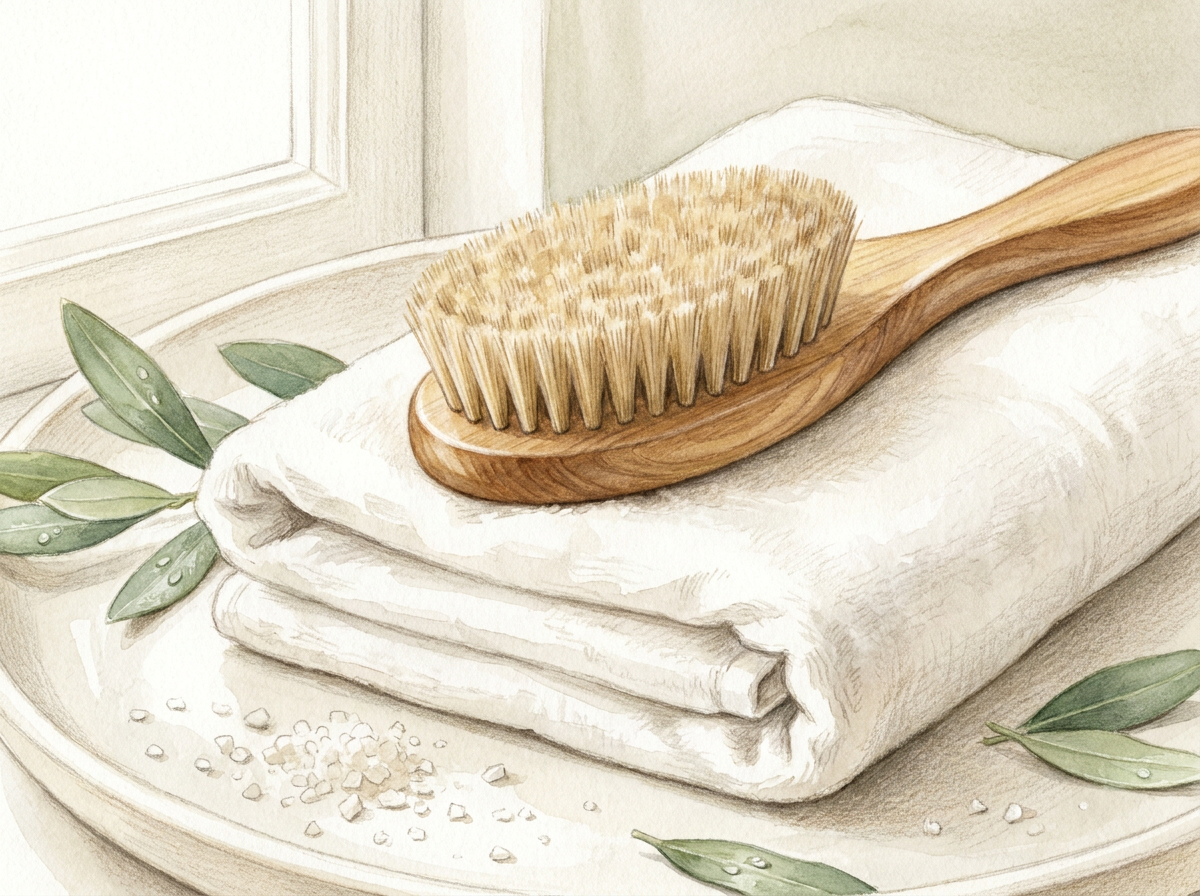
At its core, dry brushing is exactly what it sounds like: the practice of gently brushing your skin with a special, stiff-bristled brush before you bathe. While it might sound incredibly simple—and it is—the benefits for mature skin are beautifully complex. It’s a multi-tasking ritual that addresses several concerns at once, making it an incredibly efficient addition to your routine.
Here’s the science behind the magic, explained in the warm, friendly way we do things here at Hygieia:
- A Masterclass in Exfoliation for Crepey Skin: As we age, our skin’s natural process of shedding dead cells, called desquamation, slows down. This buildup can accentuate the appearance of fine lines and that crinkled, crepey texture. Dry brushing is a form of physical exfoliation that manually whisks away this dull, outer layer. The result? Instantly softer, smoother skin that looks more luminous and is beautifully prepped to absorb the nourishing ingredients in your body care products.
- A Boost for Natural Radiance: The firm, sweeping motions of the brush create a gentle friction against the skin, which helps to stimulate circulation. Think of it as waking up your skin from the outside in. This increased blood flow brings oxygen-rich blood and vital nutrients to the surface, promoting a healthy, rosy glow that no cosmetic can truly replicate. For skin that can sometimes look a bit dull or tired, this temporary boost is a welcome burst of vitality.
- Support for a Healthy Lymphatic System: This is perhaps the most talked-about benefit in wellness circles. Your lymphatic system is a crucial part of your immune system, acting like the body’s natural 'housekeeping' service. It helps transport waste products away from tissues. The theory is that the light, upward strokes of dry brushing, moving towards the major lymph nodes, can help encourage this natural process of drainage for legs and the rest of the body. While more research is needed to confirm the extent of this effect, many women report feeling less puffy and more energized after a consistent dry brushing practice.
A note from a dermatological perspective: While rigorous, large-scale studies specifically on dry brushing for crepey skin are limited, the core principle is sound. Dermatologists universally agree that regular, gentle exfoliation is a cornerstone of any effective skincare routine for maintaining skin health and improving texture at any age.
Choosing Your Tool: How to Find the Perfect Dry Brush
Stepping into the world of dry brushing means choosing your primary tool, and not all brushes are created equal. The right brush will feel invigorating but not harsh, making your new ritual a pleasure, not a chore. For mature skin, which can be thinner and more delicate, making a mindful choice is especially important.
Key considerations for your brush:
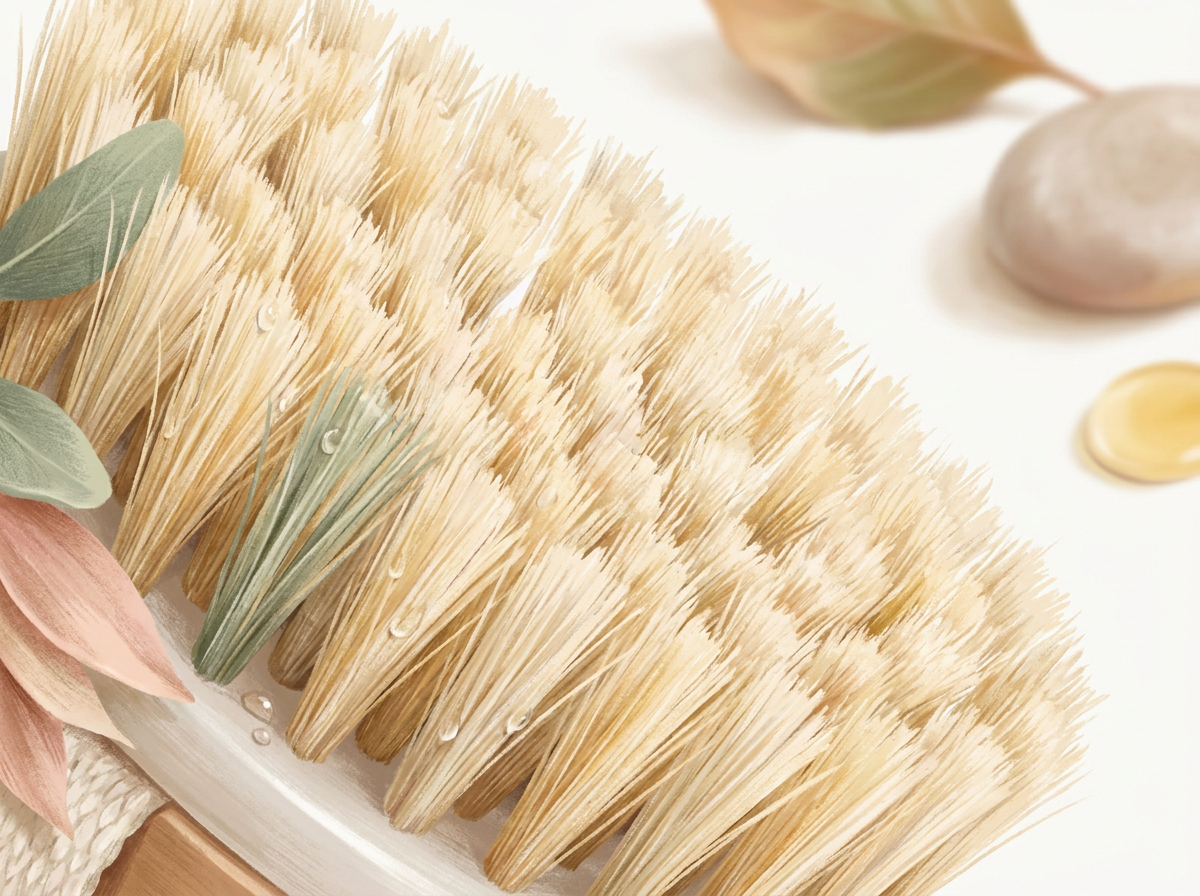
- Bristle Material: Always opt for natural fibers. Brushes made from plant-based fibers like sisal or agave are excellent vegan options and tend to be quite firm. Boar bristles are also common; they are a bit softer and can be a good starting point if you’re concerned about sensitivity. Steer clear of synthetic, plastic bristles, as they can be far too harsh and may scratch or irritate the skin.
- Bristle Firmness: When you're first learning how to dry brush, it's wise to start with a brush on the softer side of medium. You want to feel the bristles, but you should never feel pain or see red, angry marks. As your skin becomes accustomed to the practice, you might choose to graduate to a firmer brush if you wish.
- Handle Length: You'll find brushes with long handles and smaller, handle-free versions that strap to your hand. For legs, either works well, but a long-handled brush offers incredible versatility. It allows you to easily reach your back and the backs of your thighs without straining, making a full-body routine achievable. We recommend a long-handled brush as a great first purchase.
- Care and Keeping: To keep your brush hygienic, tap it on the side of the sink after each use to remove skin flakes. Once a week, give it a gentle wash with a bit of soap and water, then let it air dry completely, bristle-side down, to prevent water from damaging the wooden handle.
The Ritual: A Step-by-Step Tutorial on How to Dry Brush Legs
Now for the lovely part. Find a warm, comfortable spot in your bathroom. This ritual should take about three to five minutes. Remember, the key is to be present and mindful. This is your time. Always perform dry brushing on completely dry skin, ideally before your morning shower.
The Golden Rule: Always brush upwards, towards the center of your body. This directionality follows the flow of your lymphatic system, guiding it towards the major lymph nodes in your groin and armpits.
- Begin at Your Feet: Start with the soles of your feet. While not prone to crepiness, they are packed with nerve endings, and brushing them is a wonderfully grounding way to begin. Use firm strokes from heel to toe. Then, move to the tops of your feet.
- Move to Your Ankles and Calves: Using long, smooth, upward strokes, brush from your ankles up to your knees. Go over each section a few times. Don't press too hard; the bristles are doing the work. The pressure should be firm enough to be felt, but gentle enough that it doesn't hurt.
- Pay Special Attention to Your Knees: The skin on our knees sees a lot of movement and can be one of the first places we notice a crepey texture. Gently brush in a circular, clockwise motion all around your kneecap. This is also a perfect moment to remember that a multi-faceted approach works best. Our guide, 5 Morning Habits for Crepey Skin on Legs & Knees, offers more wonderful tips to complement your brushing routine.
- Ascend to Your Thighs: Continue with those same long, sweeping, upward strokes from your knees up to the top of your thighs. Brush the front, the back, and the sides. Be thorough. This is a larger area, so you can spend a little more time here.
- Address Hips and Glutes: When you reach your hips and buttocks, you can switch to a firmer, circular motion if it feels good. This can feel especially invigorating and helps stimulate these areas of denser tissue.
- Listen to Your Body: A crucial part of learning how to dry brush is paying attention to your skin's feedback. A light pinkish flush is normal and indicates increased circulation. However, if your skin becomes red, irritated, or if you feel any discomfort, you are using too much pressure or the brush is too firm for you. Very important: Never brush over open cuts, rashes, varicose veins, sunburn, or any area of inflamed or broken skin.
The Post-Brushing Glow-Up: Hydration is Non-Negotiable
You’ve completed the brushing, and your skin feels alive and tingling. What you do next is just as important as the brushing itself. This final step is what seals in the benefits and truly transforms the texture of your skin.
1. Rinse and Renew
Hop into the shower. A quick rinse is all you need to wash away the exfoliated dead skin cells. The sensation of the water on your newly stimulated skin is a reward in itself. Use your favorite gentle, hydrating body wash.
2. Pat, Don't Rub
After your shower, gently pat your skin dry with a soft towel. Your skin is beautifully exfoliated and receptive right now, so treat it with kindness. Avoid vigorous rubbing, which can cause irritation.
3. The Golden Moment for Hydration
This is the prime time for product application. Your skin is now a perfect canvas, free from the barrier of dead cells and ready to drink in moisture and nutrients. This is where you lock in all the good work you’ve just done. Applying a high-quality moisturizer to damp skin is one of the most effective ways to combat dryness and improve the look of crepey skin. For an even more powerful approach, consider layering products. A targeted serum followed by a rich cream can deliver multi-level hydration and active ingredients. For an in-depth guide on this technique, we highly recommend reading our post, Layering Creams & Serums for Crepey Skin Repair. Look for formulations with ingredients like:
- Hyaluronic Acid: A humectant that draws moisture from the air into your skin, plumping it from within.
- Ceramides: These are lipids that are essential for a strong, healthy skin barrier, helping to lock in moisture and protect from environmental stressors.
- Peptides: These building blocks of protein can signal your skin to produce more collagen, which is vital for skin firmness and elasticity.
- Nourishing Oils and Butters: Ingredients like Shea Butter, Squalane, and Jojoba Oil mimic the skin's natural lipids, providing deep, lasting hydration and a visible smoothness.
Your Questions Answered: Expert Tips for Women Over 50
As you embark on your dry brushing journey, a few questions might pop up. Here are answers to some of the most common ones we hear.
How often should I be dry brushing?
For mature skin, starting slow is key. Begin with just one or two sessions per week. See how your skin responds. If it feels good and you’re seeing positive results, you can gradually increase to three or four times per week. Daily dry brushing is often too much for most skin types and can lead to over-exfoliation and irritation.
Will this actually get rid of my cellulite?
This is a common hope, and it's important to have realistic expectations. Cellulite is a structural issue involving fat cells and connective tissue deep beneath the skin. No topical treatment or practice, including dry brushing, can eliminate it. However, by boosting circulation and plumping the skin with increased blood flow, dry brushing can temporarily and significantly improve its appearance, making the skin look smoother and more toned.
Can I dry brush if I have very sensitive skin or a condition like eczema?
If you have highly reactive skin, it's best to proceed with extreme caution or skip it altogether. The physical exfoliation might be too much. For mild sensitivity, you could try using an ultra-soft brush with feather-light pressure just once a week to see how your skin reacts. If you have any active flare-ups of eczema, psoriasis, or dermatitis, avoid dry brushing those areas completely until they are healed.
What if this practice feels like just another chore?
We understand that life is busy. The key is to reframe it. Instead of seeing it as another task, view it as a ritual. It’s three to five minutes that are just for you. Put on some calming music. Breathe deeply. Focus on the sensation of the brush on your skin. It’s a moment to disconnect from the world and reconnect with your own body. This holistic approach to wellness is something we believe in deeply, and it extends to all forms of self-care, including simple movements like those in our guide to Toning Arms Over 50: The Non-Surgical Daily Ritual.
Embrace the Ritual, Love Your Skin
Achieving smooth skin for women over 50 isn’t about chasing an unrealistic ideal of youth. It’s about celebrating the skin you have right now and giving it the thoughtful, loving care it deserves. Dry brushing is a beautiful, empowering ritual that honors your body. It’s a moment to pause, to stimulate your senses, and to actively participate in your own well-being.
At Hygieia, we believe that the most effective skincare is a blend of science-backed formulations and joyful, consistent rituals. After invigorating your skin with a dry brushing session, it’s the perfect time to replenish it with nourishing ingredients that support its health and radiance.
Ready to complete your ritual? Explore our collection of body moisturizers and serums, thoughtfully formulated with clean, effective ingredients to deeply hydrate, firm, and restore your skin’s natural luminosity. Give your skin the post-brushing feast it craves and watch it glow with gratitude.
Remember, every upward stroke is an act of care. Every moment you dedicate to this practice is an investment in your own radiance and vitality. So, pick up a brush, and let the beautiful journey to smoother, healthier-looking skin begin. Your legs, and your spirit, will thank you for it.


