Eat for Bouncier Skin: A Beauty-from-Within Guide

There's a moment many of us have—perhaps you’re sitting in your car, and the sunlight hits your hands on the steering wheel just so. Or maybe you're pulling on a favorite sleeveless top and catch a glimpse of your arms. You notice the texture of your skin has changed. It’s a little less plump, a little less… bouncy than it used to be. It has a delicate, crepe-paper-like quality. And while our bathroom counters are beautifully lined with serums and creams to address this from the outside, I want to talk to you about a powerful secret weapon: your grocery list.
Here at Hygieia, we believe that radiant, healthy skin is a holistic journey. It’s an approach we call "internal skincare." Especially as we navigate our 50s and beyond, the concept of beauty from within for 50+ isn't just a trendy phrase; it's a fundamental truth. What we put on our plate is every bit as important as what we smooth onto our skin. This isn't about restrictive diets or chasing an impossible ideal. It's about joyfully nourishing our bodies with the exact building blocks they need to create stronger, more resilient, and beautifully bouncy skin. So, let’s go on a delicious journey together and explore the ultimate diet for crepey skin.
Why Our Skin Loses Its Bounce (And How Food Can Help)
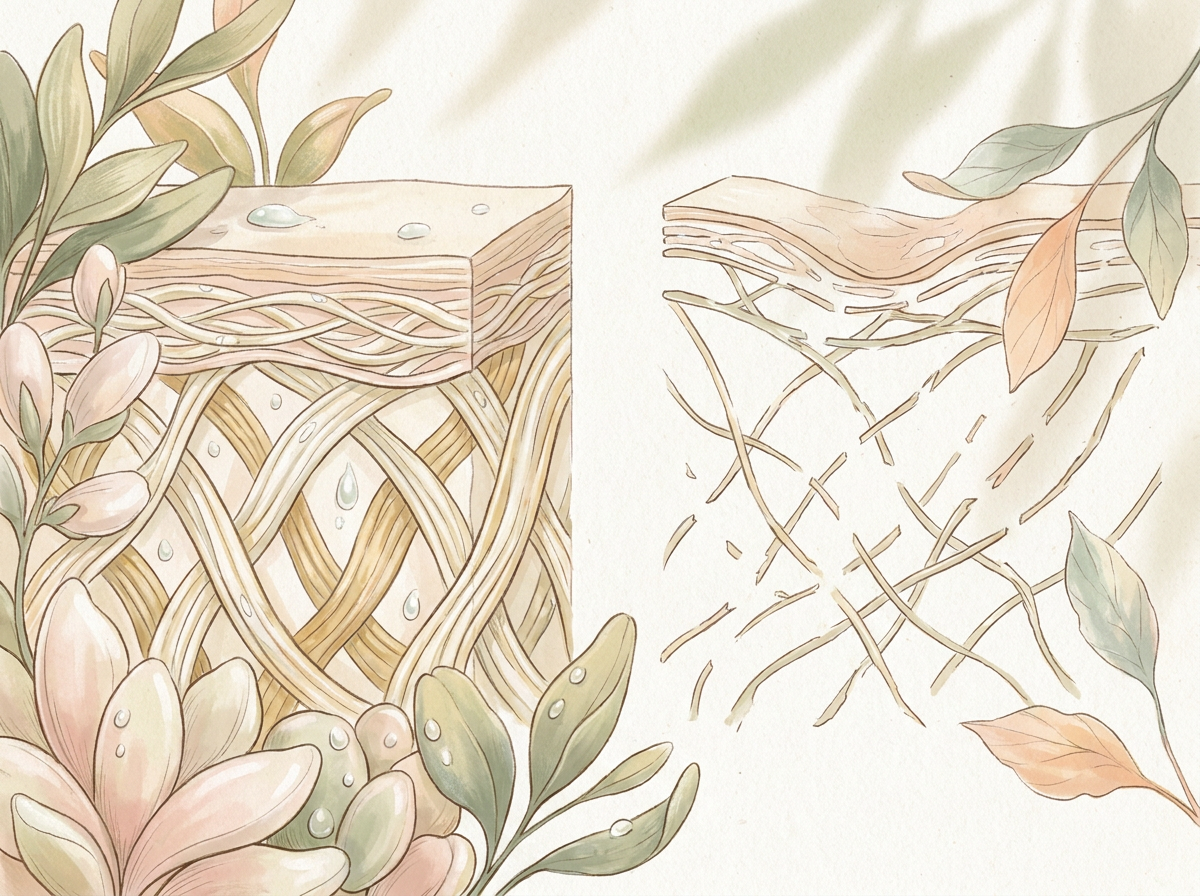
Before we dive into our shopping cart, let’s have a friendly chat about what’s happening beneath the surface. Think of your youthful skin like a firm, new mattress. It has two key components: collagen and elastin.
- Collagen is the most abundant protein in our body. It forms a strong, fibrous network—the "scaffolding"—that gives our skin its structure and firmness.
- Elastin, as its name suggests, is the protein that gives skin its elasticity. It’s like the "springs" in the mattress, allowing skin to snap back into place after being stretched or pulled.
As we age, our body’s production of both collagen and elastin naturally slows down. This process begins in our late 20s and accelerates significantly during and after menopause, largely due to the decline in estrogen, a hormone that plays a key role in stimulating their production. The result? The scaffolding becomes a bit weaker, the springs lose some of their tension, and the skin can appear thinner and more crepey.
Now, here is the empowering part: while we can't turn back the clock, we absolutely can influence this process. By focusing on skin elasticity nutrition, we provide our bodies with the raw materials needed to support their own collagen and elastin synthesis. We can help protect the collagen we still have and encourage the production of new, healthy fibers. It’s about working with your body, giving it the tools it needs to do its best work.
Your Plate, Your Power: The Ultimate Diet for Crepey Skin
Building beautiful skin from the inside out is one of the most satisfying acts of self-care. It’s about creating meals that are not only delicious but are actively working to make your skin firmer and more luminous. Let’s break down the all-star nutrients that should be on your grocery list.
1. The Building Blocks: Amino Acids from Protein
Collagen itself is a protein, and like all proteins, it's made from amino acids. Specifically, the amino acids glycine, proline, and hydroxyproline are the primary components. To build more collagen, your body needs a steady supply of these foundational blocks. This is why a protein-rich diet is non-negotiable for skin health.
Think of it this way: You can't build a strong brick wall without bricks. Amino acids are your skin's bricks.
Focus on incorporating high-quality protein into every meal. These are some of the best collagen boosting foods:
- Bone Broth: A true superfood, bone broth is rich in gelatin, which breaks down into collagen in the body. Sipping on a warm cup is both comforting and deeply nourishing for your skin.
- Chicken and Fish (with the skin): The skin and connective tissues of animals are excellent sources of collagen.
- Eggs: The egg whites, in particular, are rich in proline, one of the key amino acids needed for collagen production.
- Lean Meats and Fish: Provide a complete profile of amino acids for your body to pull from.
- Plant-Based Options: Beans, lentils, tofu, and quinoa are fantastic sources of protein and the amino acids your body can use to synthesize collagen.
2. The Essential Sidekick: Vitamin C
If amino acids are the bricks, Vitamin C is the mortar that holds them all together. Your body literally cannot effectively produce collagen without it. Vitamin C is a critical co-factor in the process, helping to link the amino acids together to form strong, stable collagen helices. A deficiency in Vitamin C can lead to weakened collagen that breaks down more easily.
Luckily, this vital nutrient is abundant and delicious. As Floridians, we are surrounded by some of its best sources!
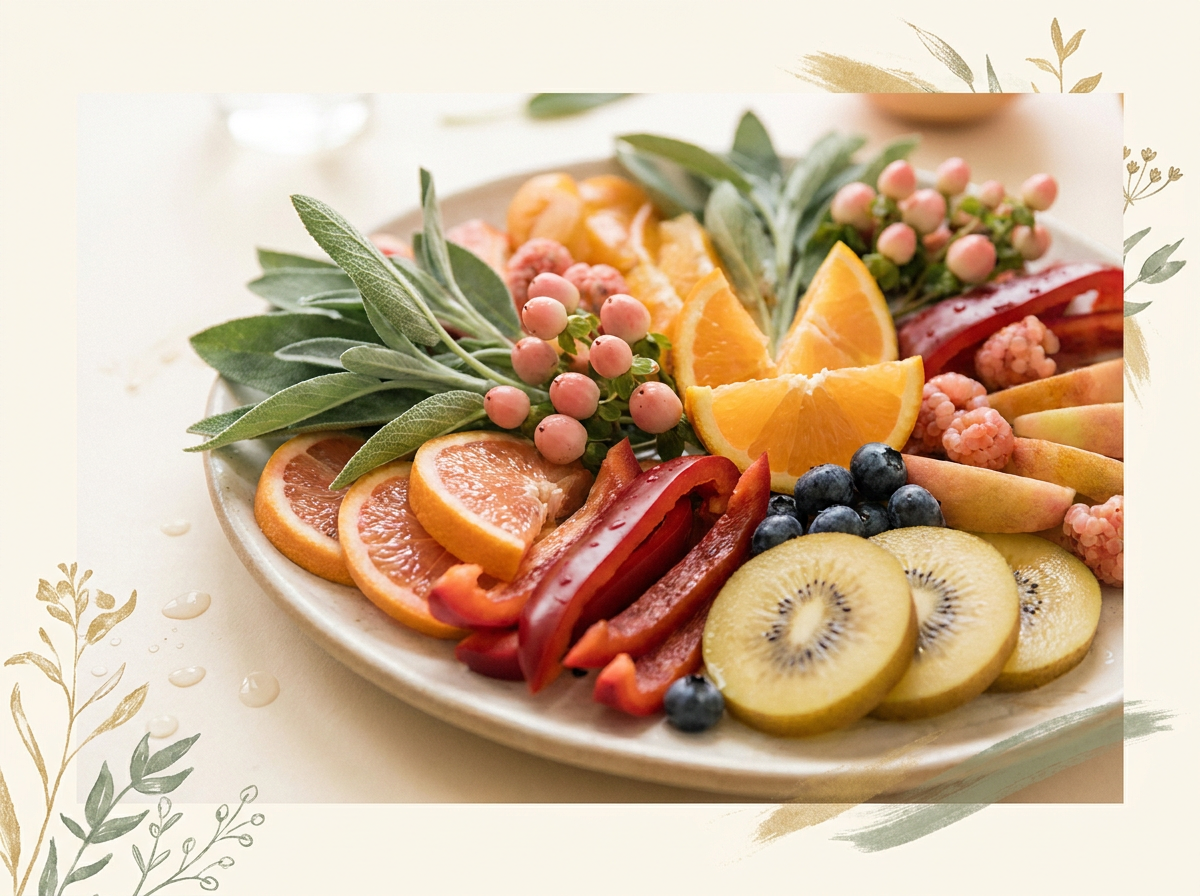
- Citrus Fruits: Oranges, grapefruits, lemons, and limes are classic choices.
- Berries: Strawberries, blueberries, raspberries, and blackberries are packed with both Vitamin C and protective antioxidants.
- Bell Peppers: A red bell pepper contains more Vitamin C than an orange!
- Leafy Greens: Kale, spinach, and Swiss chard.
- Broccoli & Brussels Sprouts: Cruciferous veggies are powerhouses of nutrients.
- Kiwi & Papaya: Tropical fruits that are brimming with this skin-loving vitamin.
Actionable Tip: Make it a habit to add a source of Vitamin C to every meal. Squeeze fresh lemon juice over your fish and vegetables, start your day with a handful of berries in your yogurt, or snack on a crunchy bell pepper in the afternoon.
3. The Protective Guards: Antioxidants
Our skin is constantly under assault from things like UV radiation, pollution, and internal stress. These factors create unstable molecules called free radicals, which wreak havoc on our cells and are a primary cause of collagen breakdown. Think of them as tiny wrecking balls swinging at your skin's scaffolding.
Antioxidants are your body's defense team. They neutralize these free radicals before they can do damage. Just as we use topical antioxidants to protect our skin from the sun, as we discussed in our post on using Idebenone to summer-proof crepey skin, we need to consume them to protect our skin from the inside.
Eat a rainbow of fruits and vegetables to get a wide variety of these protective compounds:
- Polyphenols: Found in berries, green tea, cocoa (yes, dark chocolate!), and red grapes.
- Carotenoids: Colorful pigments like beta-carotene in carrots and sweet potatoes, and lutein in leafy greens, which research shows can improve skin elasticity and hydration.
- Vitamin E: A fat-soluble antioxidant found in nuts (especially almonds), seeds (like sunflower seeds), and avocados. It works beautifully in tandem with Vitamin C.
4. The Unsung Heroes: Zinc and Copper
These two minerals might not get as much press as Vitamin C, but they are crucial members of the collagen production team. Think of them as the skilled construction crew that helps assemble and maintain the scaffolding.
- Zinc: Acts as a co-factor for many enzymes involved in collagen synthesis. It also plays a role in cell repair and regeneration. You can find it in oysters, beef, pumpkin seeds, lentils, and chickpeas.
- Copper: This mineral is essential for an enzyme called lysyl oxidase, which is responsible for cross-linking collagen and elastin fibers, giving them their strength and durability. Great sources include shellfish, nuts, seeds, and shiitake mushrooms.
Sip and Smooth: The Crucial Role of Water and Fats
What you eat is paramount, but what you drink—and the types of fats you consume—are equally vital for plump, smooth skin.
The Fountain of Youth is... Water
This might be the simplest yet most overlooked tip for improving the appearance of crepey skin. Dehydration can make fine lines and skin texture look significantly more pronounced almost instantly. Skin cells, like all cells, need water to function optimally. When they are well-hydrated, they are plump and firm, like little grapes. When they are dehydrated, they shrivel up, like raisins. This shriveling effect emphasizes any loss of firmness and elasticity.
We know how important it is to hydrate skin from the outside, especially as we talked about in our guide to leg hydration in the Florida sun. The same principle is even more critical for your entire system. Aim for at least eight glasses of water a day, and even more if you're active or it's a hot Florida day.
Actionable Tip: If you find plain water boring, infuse it! Add slices of cucumber and mint, a handful of berries, or a squeeze of fresh orange to your water bottle. Also, munch on water-rich foods like watermelon, celery, and cucumber.
Embrace the Good Fats
For decades, fat was unfairly villainized. The truth is, healthy fats are absolutely essential for radiant skin. Your skin has a natural barrier, the lipid barrier, which is responsible for keeping moisture in and irritants out. This barrier is made of fats (lipids).
Omega-3 and Omega-6 fatty acids are particularly important. They help maintain the integrity of this barrier, keeping your skin soft, supple, and hydrated from within. A strong, healthy barrier means less water loss and a more resilient complexion. Furthermore, omega-3s are powerfully anti-inflammatory, which can help calm skin and reduce the chronic, low-grade inflammation that accelerates aging.
Incorporate these healthy fat sources into your diet:
- Fatty Fish: Salmon, mackerel, sardines, and herring are packed with omega-3s.
- Nuts and Seeds: Walnuts, flaxseeds, and chia seeds are excellent plant-based sources.
- Avocados: Rich in healthy monounsaturated fats and Vitamin E.
- Olive Oil: A cornerstone of the famously healthy Mediterranean diet.
The Skin Saboteurs: Foods That Undermine Your Glow
Just as important as adding nourishing foods is being mindful of the things that can actively work against your skin health. We believe in moderation, not deprivation, but knowledge is power!
- Excess Sugar and Refined Carbs: When you consume too much sugar, it can lead to a process called glycation. In simple terms, sugar molecules attach to proteins like collagen and elastin. This forms harmful new molecules called Advanced Glycation End-products (or AGEs, fittingly). These AGEs make your flexible, bouncy collagen fibers become rigid, brittle, and weak, accelerating sagging and the formation of crepey skin.
- Highly Processed Foods: Foods high in unhealthy fats, chemical additives, and sodium can promote inflammation throughout the body, including in the skin, which can speed up the aging process.
- Excessive Alcohol: Alcohol is dehydrating and can deplete the body of essential nutrients, including the very vitamins you need for skin repair. A little is fine, but moderation is key.
A Day in the Life of Radiant Skin
Wondering how to put all this information together on your plate? Here’s a sample day of eating for bouncier, more beautiful skin:
- Breakfast: A bowl of full-fat Greek yogurt (protein) topped with a cup of mixed berries (Vitamin C, antioxidants) and a tablespoon of chopped walnuts (omega-3s, Vitamin E).
- Lunch: A large, colorful salad with a base of spinach (antioxidants), topped with grilled chicken or chickpeas (protein), sliced red bell peppers (Vitamin C), cucumber (hydration), and avocado (healthy fats). Drizzle with an olive oil and lemon juice dressing.
- Afternoon Snack: An orange (Vitamin C) and a small handful of almonds (Vitamin E, protein).
- Dinner: A beautiful fillet of baked salmon (omega-3s, protein) served with a side of roasted sweet potatoes (carotenoids) and steamed broccoli (Vitamin C).
- Evening: A warm, comforting cup of homemade bone broth or a soothing herbal tea like green tea.
Nourish Inside and Out: Your Complete Skincare Ritual
Embracing a diet for crepey skin is a profound act of care that lays the groundwork for profound, lasting results. This internal skincare creates the perfect, healthy canvas for your topical skincare to work its magic. When your cells are nourished and your body has the building blocks it needs for repair, products can penetrate more effectively and deliver even more visible benefits.
While you're feeding your skin these incredible nutrients, support its surface with clean, science-backed formulations designed to firm, hydrate, and protect. Our serums, rich in powerful ingredients, work in synergy with the healthy choices you're making, creating a truly holistic approach to radiant longevity. Imagine pairing this nutrient-rich diet with simple, effective techniques like a 5-minute lymphatic massage for firmer arms or adopting these 7 nightly habits for crepey skin. You’re creating a comprehensive self-care ritual that addresses skin health from every angle.
Beauty from Within is an Act of Self-Love
The journey to bouncier, healthier skin is not about restriction—it's about abundance. It’s about filling your plate with vibrant colors, delicious flavors, and powerful nutrients that make you feel as good as you look. Every thoughtful meal, every glass of water, every mindful choice is a message to your body that you are on its team.
Forget the idea of "anti-aging" and embrace the concept of pro-aging, of aging vibrantly and beautifully on your own terms. Nourishing your skin from the inside out is a delicious, joyful, and deeply empowering way to honor the woman you are today and the incredible woman you are becoming. Your skin isn't just a covering; it's the beautiful story of your life, and it deserves to be cared for with love, from the inside out.


