Retinol: Rebuilding Thinning Skin with Molecular Architecture

Molecular Architecture: How Retinol Rebuilds Thinning Skin
If your skin has started to feel thinner, drier, or more delicate than it used to, you are not imagining it. Over time, the skin’s support system changes, and retinol is one of the most studied ingredients for helping rebuild that structure from the inside out.[2][7]
For women over 50, retinol can be especially meaningful because it supports Skin Matrix Reconstruction, encourages Epidermal Thickening, and helps restore the visible bounce and resilience that thinning skin often loses with age.[2][6] In simple terms: retinol does not just sit on top of the skin. It helps guide the skin to behave more like younger, stronger skin again.[2][3]

Why skin looks thinner with age
As skin ages, the epidermis tends to become thinner, the dermal matrix becomes less organized, and collagen and elastic fibers are gradually depleted or fragmented.[2] This is one reason mature skin can look crepey, feel fragile, and lose that smooth, cushioned texture.
Retinoids work by targeting several of those changes at once. A 2023 review in Archives of Dermatological Research reported that topical retinoids, including retinol and tretinoin, increase epidermal thickness, stimulate collagen formation, and improve the organization of elastic tissue in photoaged skin.[2] That matters because thinning skin is not just a surface concern; it reflects deeper structural decline.[2]
Retinol also improves the way the outer layer of skin renews itself. According to a review in Advances in Dermatology and Allergology, retinol promotes keratinocyte proliferation, strengthens the protective barrier, and helps reduce transepidermal water loss, which can make skin look more supple and less depleted.[2]
Think of retinol as a remodeling signal. It helps skin rebuild its own framework instead of simply masking the signs of thinning.
How retinol supports the skin matrix
The phrase “skin matrix” refers to the structural network that gives skin firmness and shape. That network depends heavily on collagen, elastin, and supporting molecules such as glycosaminoglycans.[2] Retinol helps influence that architecture in several ways.
First, retinoids stimulate fibroblasts, the cells that produce collagen in the dermis.[2][6] In the review published in Archives of Dermatological Research, histologic studies showed that topical retinoids can increase dermal collagen and improve matrix organization in aging skin.[2] A separate study in the Journal of Investigative Dermatology found that all-trans retinoic acid increases type I procollagen production while decreasing matrix metalloproteinases, or MMPs, which are enzymes that break down collagen.[6]
That dual action is important. Retinol does not simply encourage new collagen; it also helps reduce the breakdown of the collagen already present.[2][6] This is what makes it so relevant for Structural Skin Support in mature skin.
Second, retinol appears to improve the organization of elastic fibers and may support angiogenesis in the papillary dermis, which can contribute to healthier-looking, more resilient skin.[2] The 2023 review also noted increased glycosaminoglycans in the papillary dermis after months of tretinoin use, another sign of matrix rebuilding.[2]

What “cellular regeneration” really means with retinol
Retinol is often described as an exfoliating ingredient, but that undersells what it actually does. It helps normalize cell turnover so newer cells rise to the surface more efficiently while older, duller cells shed more regularly.[3][6] This is one reason skin often looks smoother and brighter after consistent use.
A clinical overview from Cleveland Clinic explains that retinol increases skin cell production, increases collagen production, and can make skin look thicker and plumper over time.[6] Harvard Health likewise notes that retinoids reduce fine lines and wrinkles largely by increasing collagen production and supporting new blood vessel formation in the skin.[7]
For women over 50, that renewed turnover matters because slowing cell renewal can make skin appear flat, rough, or uneven. Retinol helps support Cellular Regeneration in a way that is visible on the surface and meaningful beneath it.[3][6]
Importantly, benefits are gradual. Cleveland Clinic notes that retinol starts working in the cells right away, but visible improvement usually takes several weeks, and sometimes several months.[6] That timeline is consistent with other retinol guidance showing early changes in texture first, followed by broader improvements in lines and tone with continued use.[3]
Retinol for crepey, thinning skin after 50
If your main concern is crepey texture, retinol is one of the most relevant ingredients to consider. The 2023 review in Archives of Dermatological Research specifically connects retinoid use with reversal of photoaging features such as epidermal thinning, fragmented elastic fibers, and collagen loss.[2] Those are the same structural shifts that make skin look papery or fragile.
Topical tretinoin studies cited in that review found epidermal thickening, compaction of the stratum corneum, and increases in collagen and glycosaminoglycans after several months of use in elderly or photoaged skin.[2] That combination of effects is especially relevant for Retinol for Crepey Skin, because crepiness is often a sign of reduced structural density, not just dryness.[2]
At the same time, retinol is not an overnight fix. A practical timeline shared by clinical sources suggests that texture and glow may improve within 8 to 12 weeks, with stronger structural changes building over months.[1][3][6] That slower pace is actually part of why retinol is so valuable: it works by changing the skin’s biology, not by temporarily plumping the surface.
- Start with a low-strength retinol and use it only two to three nights per week at first.[6]
- Apply it to completely dry skin to reduce irritation.[6]
- Follow with a nourishing moisturizer to support the barrier.[4][6]
- Use sunscreen every morning, since retinoids make daily sun protection even more important.[4][6]
- Be patient and stay consistent, because visible remodeling takes time.[3][6]
For many mature skin routines, retinol works best when the rest of the routine is gentle. Over-exfoliating or using too many actives can undermine the barrier support you are trying to build.[4][6]
A simple way to think about it
Retinol is not just about “anti-aging.” It is about helping the skin regain a stronger internal architecture so it can look smoother, firmer, and more resilient over time.[2][6]
Results to expect: smoother texture first, then more visible firmness, then gradual support for thinning skin and fine lines with steady use.[3][6]
How to use retinol without overwhelming mature skin
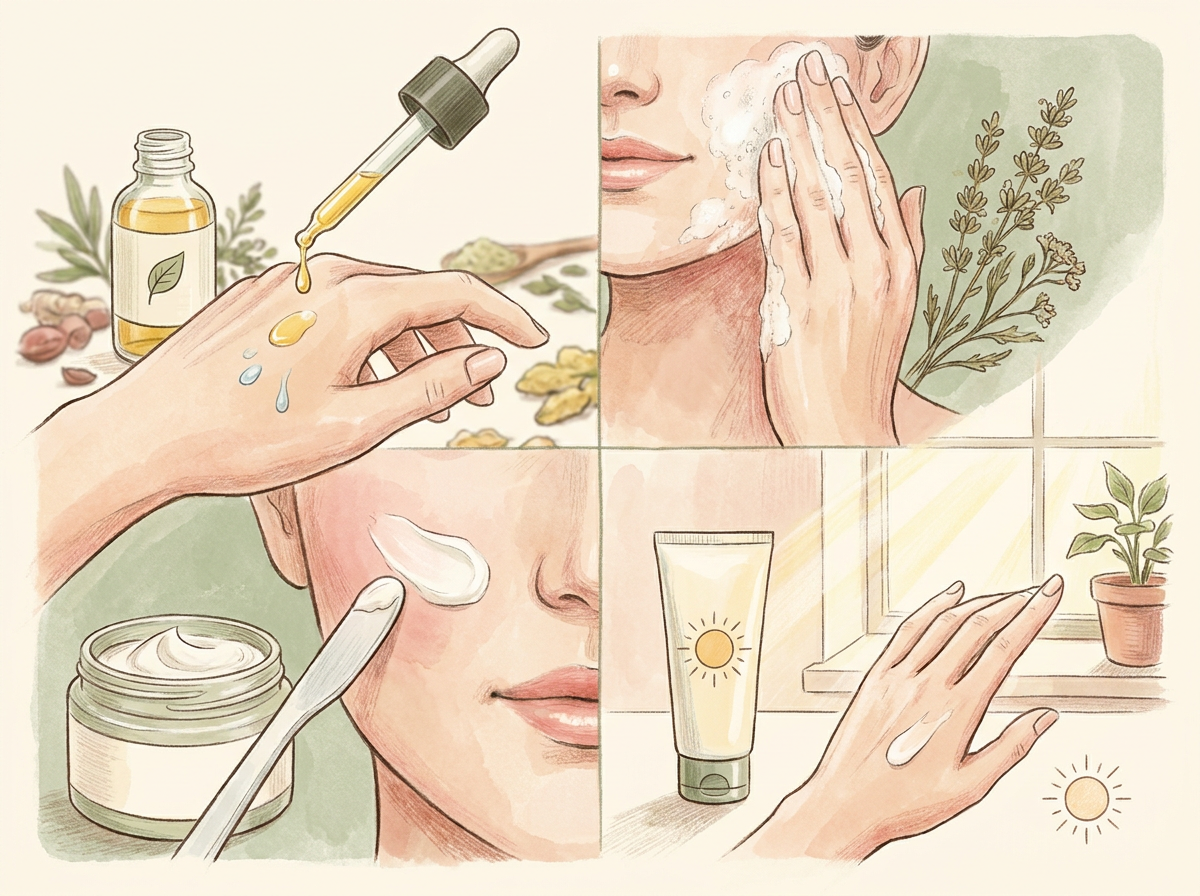
Because retinol can be irritating when introduced too quickly, the best approach is a slow, skin-supportive one. Cleveland Clinic recommends starting with a pea-sized amount, applying it every other day for the first couple of weeks, and following with moisturizer.[6]
That advice is especially helpful for women over 50, whose skin barrier may already be more vulnerable to dryness. A 2025 Frontiers in Microbiology study on retinol tolerance found that retinol use can trigger a dynamic adaptation process in skin barrier function, underscoring the importance of gradual introduction and individualized tolerance.[5] While that study focused on tolerance biology rather than wrinkle reduction, it supports the idea that the skin needs time to adjust.[5]
For best results, pair retinol with barrier-friendly habits:
- Use a gentle cleanser that does not strip the skin.
- Apply a hydrating serum or moisturizer before or after retinol if your skin is dry.
- Avoid pairing retinol with strong acids on the same night unless a professional has guided you.
- Use broad-spectrum SPF daily to protect the new collagen you are helping build.[6][7]
What science says about long-term skin rebuilding
The strongest takeaway from the research is that retinol works on multiple levels at once. It increases epidermal thickness, supports dermal collagen synthesis, helps reduce collagen breakdown, and improves the organization of the skin’s supporting matrix.[2][6]
That is why retinol has remained the dermatologic gold standard for photoaged skin for decades.[7] It addresses the biology behind thinning skin rather than only the surface appearance. In mature skin, that makes it one of the most credible options for helping restore a firmer, more vibrant look over time.[2][6]
It is also worth remembering that retinol is a consistency ingredient, not a quick fix. The most meaningful improvements come from steady use, thoughtful layering, and realistic expectations.[3][6] When used well, it can be a powerful part of a routine built around skin health, not just correction.
Ready to rebuild your skin’s architecture?
If thinning skin has made you feel like your complexion has lost its strength, retinol offers a science-backed path forward. It helps support Skin Matrix Reconstruction, encourages Epidermal Thickening, and promotes the kind of gradual renewal that mature skin often needs most.[2][6]
Start with a gentle formula, introduce it slowly, and give your skin time to respond. If you are building a routine for over-50 skin, this is one of the most researched ingredients you can choose for long-term structural support.[2][7]
For a more complete approach to mature skin resilience, explore our related post on diet and skin health in Eat for Bouncier Skin: A Beauty-from-Within Guide and pair your retinol routine with barrier-loving hydration for a softer, stronger look.
References
Youn J, et al. “Human Skin Aging and the Anti-Aging Properties of Retinol.” Archives of Dermatological Research. 2023.[2]
“All-trans-Retinoic Acid Suppresses Matrix Metalloproteinase Activity…” Journal of Investigative Dermatology.[6]
“Retinoids: active molecules influencing skin structure formation in aging skin.” Advances in Dermatology and Allergology.[2]
Harvard Health Publishing. “Do retinoids really reduce wrinkles?”[7]
Cleveland Clinic. “Retinol: Cream, Serum, What It Is, Benefits, How To Use.”[6]
“Dynamic multi-omics mechanisms underpinning retinol tolerance.” Frontiers in Microbiology. 2025.[5]
“What does retinol do to your skin? Effects, benefits, and timeline.”[3]
“Matrixyl 3000 vs Retinol: Which Anti-Aging Ingredient is Better?”[1]
With steady use and the right support, retinol can help your skin feel less fragile, look more refined, and gradually regain the structural strength that makes mature skin glow with confidence.


