5 Ways to Fix Crepey Neck & Chest Skin After 50 Fast

If you’ve looked in the mirror and thought, “My chest and neck look like tissue paper almost overnight,” you are absolutely not alone. For women over 50, that delicate décolletage area often changes faster than the face — thinning, crinkling, and showing every sun-filled decade we’ve lived.
The empowering news: there are science-backed ways to improve neck crepey skin and chest wrinkles over 50 — some faster than you might expect, especially when you combine smart in-office procedures with supportive daily care. In this guide, you’ll find five proven options for decolletage rejuvenation, from energy-based treatments to targeted topicals, plus realistic timelines so you know what “fast” truly looks like for mature skin.
Before we dive in, remember: “fast” in skin biology usually means weeks to a few months, not days. Your skin is alive, layered, and wise; it deserves time and gentle consistency.
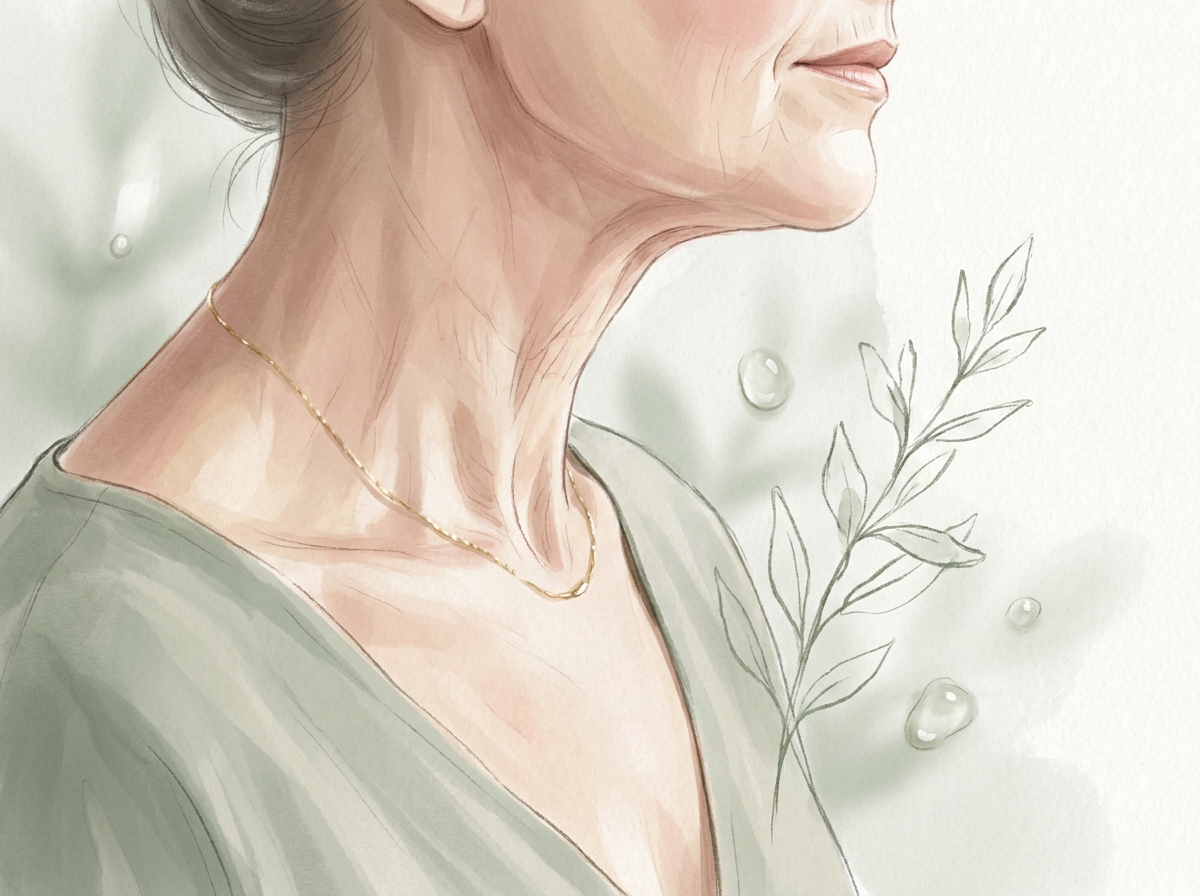
Why Neck and Chest Turn “Tissue Paper” After 50
Understanding what’s happening under the surface helps you choose the right neck crepey skin treatment — and avoid wasting time on options that can’t deliver what they promise.
After 50, several factors converge on the neck and chest:
- Collagen and elastin loss: These proteins are your skin’s internal scaffolding and stretch. When they thin out with age and hormonal shifts, skin looks lax, fragile, and creased.[4]
- Chronic sun exposure: The chest and neck often receive decades of UV without the protection we give our faces. UV light accelerates collagen breakdown and creates that “crinkled paper” look.[3][4]
- Thinning skin and barrier damage: Less estrogen and more environmental stress mean fewer lipids (skin’s natural oils) and a weaker barrier, so the surface looks dull, dry, and almost translucent.[4]
- Movement and “tech neck”: Looking down at devices and normal neck motion deepen horizontal lines and chest folds over time.[4]
Because the neck and chest skin is thinner and more delicate than the face, it often requires a slightly different approach — gentler, but more targeted and consistent. As one skin expert notes, treating the décolletage typically takes “two to three times more effort” than treating the face.[6]
1. Fractional CO₂ Laser: Fastest Structural Reboot for Crepey Neck
If you’re looking for the most dramatic, single-treatment option for severe “tissue paper” neck skin, fractional CO₂ laser
A 2014 study in the Journal of Clinical and Aesthetic Dermatology by Tierney and Hanke evaluated fractional CO₂ laser (10,600 nm) on the neck in 20 patients with signs of neck aging.[1][7] After just one session, patients experienced significant improvements in:
- Skin laxity and jowling (loose, sagging tissue)[1][7]
- Fat deposition in the neck area[7]
- Horizontal neck lines (those “rings” that deepen with age)[1]
What makes this especially compelling for women over 50 is the longevity of results: improvements at 1 month were still maintained at 1 year, with no persistent complications reported.[1][7] Adverse events (such as temporary redness or swelling) occurred in about 35% of patients but were all transient, resolving as the skin healed.[7]
How it works for “tissue paper” neck and chest
Fractional CO₂ creates microscopic columns of controlled thermal injury in the skin, stimulating a robust wound-healing response.[1][7] That response triggers:
- New collagen formation
- Remodeling of damaged elastin
- Smoother, thicker, more resilient skin over time
For chest wrinkles over 50, fractional CO₂ or other fractional laser technologies can improve tone and texture, though protocols need to be carefully adjusted because chest skin can be even more delicate.[9] A review of nonfacial skin rejuvenation for the neck, chest, and hands highlights the progress in laser technologies for these areas, emphasizing their ability to improve texture and pigmentation when properly performed.[9]
What “fast” looks like
- Downtime: Typically several days of redness, swelling, and bronzing of the skin, followed by peeling.[1][7][9]
- Visible changes: Many women notice a smoother, firmer look as early as 1 month, with continued improvement out to 3–6 months as collagen matures.[1][7]
Best for: Moderate to severe crepey neck skin, etched-in chest wrinkles, and women comfortable with a one-time procedure plus short recovery for long-term gain.
Think of fractional CO₂ as a “reset” button for aged neck skin — powerful, but deserving of a skilled, board-certified provider.
2. Multimodal Radiofrequency: Tightening Lax, “Tissue Paper” Texture
If you want firming and smoothing with less downtime than laser, radiofrequency (RF) treatments are a strong option for decolletage rejuvenation.
Non-surgical skin tightening procedures commonly use RF energy to heat deeper layers of the skin, stimulating collagen and elastin production and gradually improving tone and texture.[7] According to the American Board of Cosmetic Surgery, RF-based skin tightening is effective for firming loose or sagging skin and reducing wrinkles on areas like the face, neck, and abdomen.[7]
A 2020 study in Clinical, Cosmetic and Investigational Dermatology examined a multimodal RF protocol (bipolar + fractional RF) for lower face and neck aging.[10] In this large retrospective series:
- The mean Baker Face/Neck aging score decreased from 2.62 to 1.84 after treatment (p = 0.001), indicating significant improvement.[10]
- Both younger and older patients improved, but older patients showed a larger magnitude of improvement in classification scores.[10]
- RF was noted to be effective not only for skin tightening but also for reducing adipocytes (fat cells) in treated areas.[10]
Why RF works well for “tissue paper” chest and neck
RF gently heats collagen-rich layers, causing existing collagen to contract (immediate mild tightening) and stimulating new collagen over time.[7][10] For women over 50, this can translate into:
- A firmer “framework” under thinning skin
- Softening of crepey texture, especially along the front of the neck and upper chest
A randomized study of fractional RF microneedling with platelet-rich plasma (PRP) versus RF alone in patients with mild–moderate neck laxity found RF-based approaches effective for neck tightening, supporting its use for crepey texture.[10] While exact percentages vary by protocol, the overall takeaway is consistent: RF can meaningfully improve neck laxity and surface appearance in a relatively short timeframe.
What “fast” looks like
- Downtime: Usually minimal — mild redness or swelling for 1–2 days in most protocols.[7][10]
- Visible changes: Some mild tightening may be seen within weeks, with more noticeable improvements around 8–12 weeks as collagen builds.[10]
Best for: Women wanting noticeable firmer neck and upper chest without major downtime, especially those with early to moderate crepey changes.
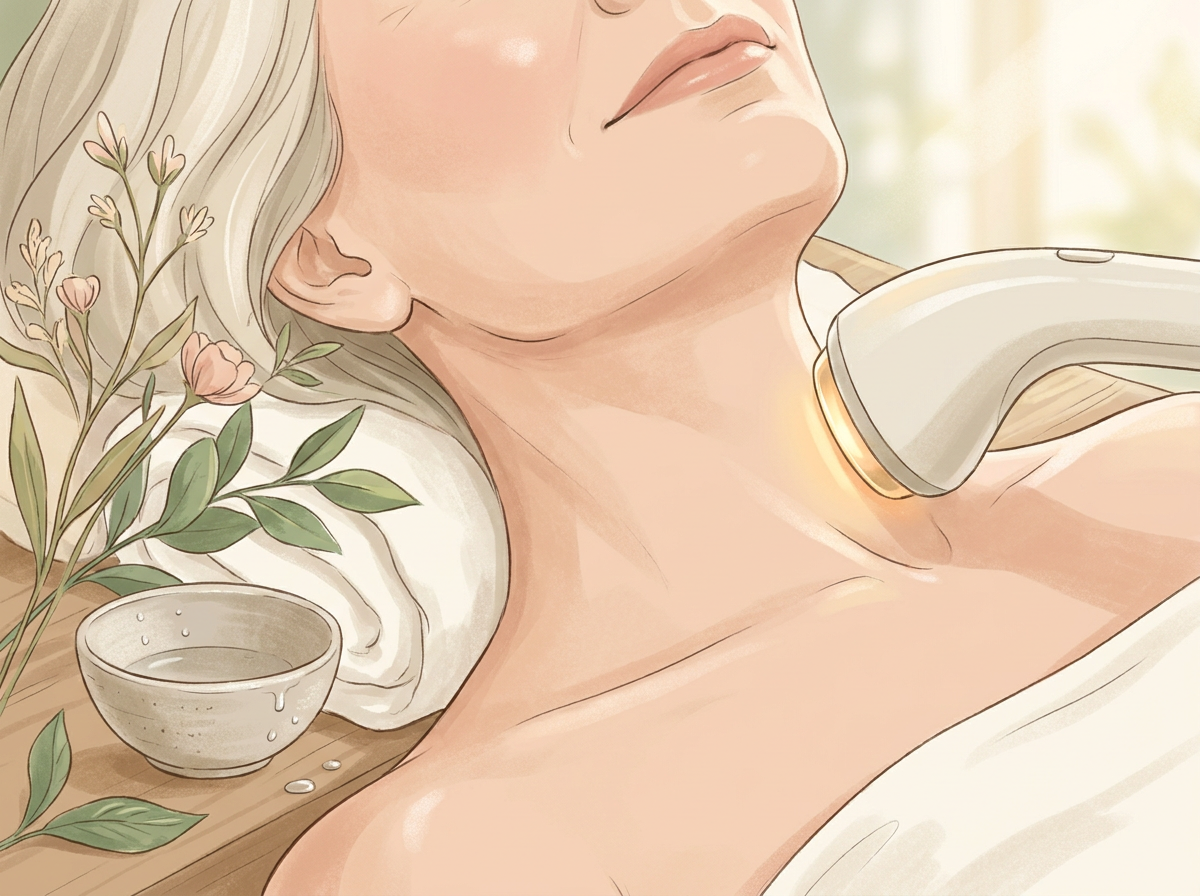
3. Hyaluronic Acid Fillers: Fast Fix for Horizontal Neck Lines
Not all “tissue paper” changes are diffuse. Many women over 50 struggle mainly with horizontal neck rings — those etched lines that catch foundation and seem to deepen every year. Here, hyaluronic acid (HA) fillers can be a precise, fast way to smooth and hydrate.
Recent clinical data show that crosslinked HA fillers can significantly improve static horizontal neck lines, while also enhancing skin hydration and elasticity.[12][18] A randomized controlled trial in patients with static horizontal neck rhytides treated with specific HA formulations (such as Restylane Refyne) found measurable improvement in wrinkle severity and high patient satisfaction.[12]
A 2025 systematic review in Aesthetic Plastic Surgery concluded that HA fillers are effective and generally safe for neck lines, particularly when injected superficially and in small aliquots to avoid overfilling or nodules.[12] A 2026 study in Clinical, Cosmetic and Investigational Dermatology reinforced this by showing improvements in both clinical wrinkle scores and skin biophysical parameters (like elasticity) in treated patients.[18]
How HA fillers help “tissue paper” neck skin
- Plumping etched lines: HA adds volume directly under the wrinkle, softening its depth.[12][18]
- Improving hydration: HA is naturally water-loving, pulling moisture into the area for a dewier, less papery surface.[12][18]
- Supporting elasticity: Studies show improvements in skin elasticity measurements after treatment, suggesting better “snapback” over time.[18]
What “fast” looks like
- Downtime: Often limited to temporary swelling or bruising for a few days.[12][18]
- Visible changes: Smoothing is usually apparent immediately, with final results visible after 1–2 weeks once swelling resolves.[12][18]
Best for: Women whose primary concern is pronounced horizontal neck lines rather than diffuse crepe, and who want quick, targeted improvement.
HA fillers are like strategic “spot repairs” for neck rings — ideal when lines, not overall texture, are the feature you notice most.
4. Microneedling & RF Microneedling: Smoother Chest Texture, Less “Crinkle”
If your chest looks wrinkled and uneven, especially in the V-neck area, microneedling and RF microneedling are powerful middle-ground options: more intensive than topical care, less aggressive than deep laser.
Microneedling uses sterile, fine needles to create controlled micro-injuries in the skin, triggering a repair response that can support smoother texture and a more even surface.[2] The Mayo Clinic and other dermatology sources note that this collagen-induction therapy can improve fine lines, scars, and overall surface quality by stimulating the skin’s natural healing mechanisms.[2][3]
RF microneedling combines needles with radiofrequency energy, amplifying collagen growth and firming effects.[3] Clinical practices report that RF microneedling is “highly effective” for treating crepey skin on areas like the face, neck, and chest, especially when significant sun damage is present.[3]
Why this helps “tissue paper” chest and neck
- Collagen induction: Micro-injuries signal the skin to produce new collagen and elastin, thickening thin areas.[2][3]
- Surface smoothing: As new tissue forms, fine crinkles and cross-hatch lines gradually look less pronounced.[2]
- Better product penetration: Freshly remodeled skin often responds better to hydrating and active ingredients, enhancing your daily routine.[2]
What “fast” looks like
- Downtime: Mild redness and sensitivity for a few days after each session.[2]
- Visible changes: Many patients notice a subtle glow and smoother feel within weeks; more significant texture changes typically appear after a series of treatments over 2–3 months.[2][3]
Best for: Diffuse chest wrinkles over 50, mild to moderate crepe on the neck and upper chest, and women who prefer a gradual, cumulative improvement with minimal downtime.
Important safety note
Because neck and chest skin can be more sensitive and sun-exposed, microneedling should be performed by a trained professional, with careful aftercare that includes broad-spectrum sunscreen and irritation avoidance.[2][3] Keeping the treated area out of direct sun and following your provider’s instructions significantly reduces risk and supports better results.[2]
5. Targeted Topicals & Daily Rituals: Fast Support, Long-Term Gains
In-office procedures can jump-start change, but your firming neck cream listicle and daily habits still matter — especially for maintaining results and addressing mild crepe.
Moisturizers and creams work well for mildly crepey skin, improving hydration and surface plumpness, though they have limitations for severe laxity.[4] Still, the right actives can meaningfully support the neck and chest:
Key topical ingredients for neck and chest over 50
- Retinoids (retinol, tretinoin): Dermatologists regularly recommend retinol creams to help reduce a crepey look by restoring elasticity and thickening collagen and elastin.[4] Prescription-strength retinoids improve cell turnover and help thicken thinning skin over time.[3]
- Peptides: Peptides encourage collagen and elastin synthesis, supporting firmer, more resilient tissue.[3]
- Hyaluronic acid, glycerin, ceramides: These hydrating and barrier-supporting ingredients help maintain moisture, soften fine lines, and strengthen the skin’s protective layer.[3]
- Antioxidants and B vitamins: Products with antioxidants and B vitamins, plus plant-based adaptogens, may help decrease inflammation and support restoration of collagen and elastin fibers.[4]
Dr. Sam Ellis and other experts often emphasize that you don’t necessarily need a separate “neck cream” — taking the same gentle, well-formulated products you trust on your face and applying them down over the neck and chest can be highly effective, as long as you respect the area’s sensitivity.[5]
Daily habits that make a visible difference
- Sunscreen every single day: A broad-spectrum SPF 30+ on neck and chest is non-negotiable if you want to prevent further collagen breakdown.[3][4] Reapply, especially because clothing and jewelry can rub sunscreen off the neck.[5]
- Hydration inside and out: Drinking adequate water and using hydrating skincare helps maintain skin moisture; hyaluronic acid and ceramides are excellent to look for.[3]
- Collagen-supportive nutrition: Diets rich in vitamin C, protein, and healthy fats support collagen production and elasticity. Collagen supplements may improve hydration and firmness, according to data cited by dermatology sources.[3]
- Gentle exfoliation: Bringing mild exfoliating acids (like lactic or low-strength glycolic) down from the face onto the neck and chest can improve dullness and allow actives to penetrate, as long as you follow with a soothing moisturizer.[5]
- Strength training: Regular strength exercises improve underlying muscle tone, providing better support for skin and reducing the look of sagging.[3]
These habits may not produce “overnight” transformation, but they do create visible improvements in glow, softness, and resilience — and they dramatically extend and enhance the results from any professional procedure you choose.
How to Choose the Right Combination for You
Most women over 50 see the best, fastest reasonable results by combining one or two in-office treatments with consistent daily care. Here’s a simple way to match your concerns to options:
-
Main issue: Severe crepey neck, etched lines, and sagging
Consider fractional CO₂ laser for structural rejuvenation, plus RF tightening for ongoing firming, along with daily retinoids and hydration.[1][7][10] -
Main issue: Early laxity and “tissue paper” texture
Start with RF or RF microneedling, paired with a dedicated neck-and-chest routine (SPF, retinol, peptides, HA).[3][7][10] -
Main issue: Pronounced horizontal neck rings
Explore HA fillers for quick smoothing, supported by retinoids and good sun protection to prevent new lines from etching in.[12][18] -
Main issue: Chest wrinkles in the V-neck area
Microneedling or RF microneedling to smooth texture, plus daily antioxidant, peptide, and hydrating care on the chest.[2][3]
And if you’re just starting to care for this area after 50, don’t underestimate the power of daily SPF, gentle actives, and barrier repair — we’ve explored menopausal dehydration and lipids in more depth in our post “Menopause, Dehydration & Skin: The Hormonal Shift”, and those same principles apply to your neck and chest.
CTA: Your Next Step Toward a Smoother Neck and Chest
If your neck and chest have started to feel like “tissue paper,” you deserve options that respect both your time and your skin. Here’s how you can move forward today:
- Take a clear, well-lit photo of your neck and chest — front and side — so you can track progress.
- Start (or refine) your daily neck-and-chest ritual tonight: cleanse gently, apply your chosen active (retinol or peptide serum), and seal with a nourishing moisturizer, then commit to SPF every morning.
- Book a consult with a board-certified dermatologist or experienced aesthetic provider to discuss fractional CO₂, RF tightening, microneedling, or HA fillers based on your specific pattern of aging.
- Explore our Hygieia Skin Care collection for barrier-supporting, hydrating formulas that you can safely bring down over the neck and chest — and pair them with the 5-minute lymphatic massage we share in “5-Minute Lymphatic Massage for Crepey Skin” to boost circulation and glow.
Most importantly, give yourself permission to see neck and chest care as an act of self-respect, not vanity. You’ve earned every sunlit moment, every laugh, every decade — and you’re equally entitled to feel confident in the skin that shows those stories.
With science-backed treatments, thoughtful daily care, and a little patience, “tissue paper” neck and chest can become softer, firmer, and more radiant again.
References
- Tierney, E. P., & Hanke, C. W. “Neck Rejuvenation with Fractional CO₂ Laser: Long-term Results.” Journal of Clinical and Aesthetic Dermatology, 2014.[1][7]
- “Nonfacial Skin Rejuvenation of the Neck, Chest, and Hands. Part I.” Journal of Cosmetic Dermatology.[9]
- Baker Face/Neck Classification Study, “Multimodal Radiofrequency Application for Lower Face and Neck.” Clinical, Cosmetic and Investigational Dermatology, 2020.[10]
- “Efficacy and Safety of Hyaluronic Acid Fillers for Horizontal Neck Lines.” Aesthetic Plastic Surgery, 2025.[12]
- “Safety and Efficacy of Hyaluronic Acid-Based Filler for Neck Wrinkles.” Clinical, Cosmetic and Investigational Dermatology, 2026.[18]
- Cleveland Clinic, “Crepey Skin: Causes and Treatment.”[4]
- Cosmetic Dermatology STL, “How to Treat Crepey Skin: Causes, Prevention, and Best Treatments.”[3]
- MDPen, “Microneedling for Neck and Chest: Safe Care Guide.”[2]
- American Board of Cosmetic Surgery, “Non-Surgical Skin Tightening.”[7]
- Vogue, “Neck and Chest Skin Care: Treatments for the Décolletage.”[6]
By combining what modern dermatology knows with what your skin needs at this stage of life, you can confidently take the next step toward smoother, stronger, more luminous neck and chest skin — and feel good about every choice you make along the way.


