Barrier Repair for Thinning Arm Skin: Solutions for Women Over 50

If you’ve ever caught a glimpse of your forearms and thought, “Why is my skin getting thinner—almost paper-like?” you’re not alone. For women over 50, that delicate, easily creased arm skin is a common—and very real—side effect of aging, hormones, and a tired skin barrier. The good news: with the right skin barrier repair for mature skin, you can make that skin feel stronger, more supple, and more resilient again.
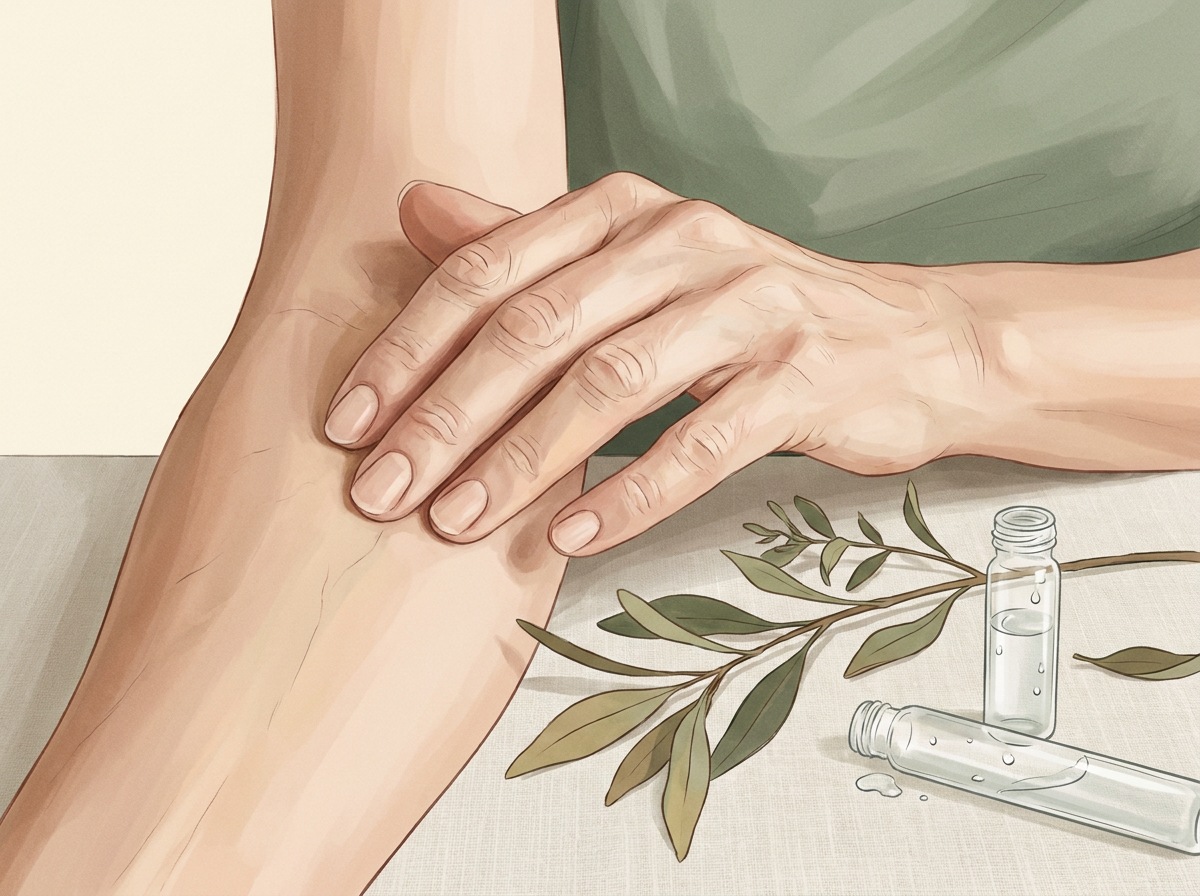
Why Your Arm Skin Is Thinning After 50
Arm skin doesn’t just “suddenly” thin—it’s the result of several biological shifts that quietly add up over time. Understanding what’s happening under the surface makes it much easier to choose ingredients and routines that truly help with healing thin skin on arms.
The Hormonal Shift: Estrogen Decline
After menopause, estrogen levels drop, and your skin feels that loss. Estrogen plays a key role in collagen production and overall skin structure. A 2009 review in Dermatoendocrinology found that in postmenopausal women, skin thickness decreases about 1.13% per year, while collagen content declines around 2% per year.[8] These changes are especially noticeable on sun-exposed areas like the forearms, where skin can start to look almost “tissue-like” and fragile.
Less estrogen means:
- Reduced collagen and elastin (your skin’s structural proteins)
- Lower skin density and thickness
- Slower repair and regeneration
That’s a big reason your arm skin may suddenly show every crease, bruise more easily, and feel more delicate than the skin on your face.
Lipid Loss: When Your Moisture Barrier Runs Low
Your skin barrier—the outermost layer of skin—is often described as a “brick and mortar” wall. The skin cells are the bricks; lipids like ceramides, cholesterol, and fatty acids are the mortar that keeps everything sealed. With age, that mortar thins out.
A 2026 skin lipidomics study reported age-related declines in key lipids—especially ceramides, long-chain fatty acids, triglycerides, and diglycerides—in older participants.[6] These declines correlated with signs of barrier impairment and reduced hydration, even before obvious dryness appeared.[6] While that work focused on facial skin, the principle holds true for the arms: when lipids drop, your barrier becomes leaky, and thin, dry, fragile skin follows.
In practical terms, lipid loss means:
- More water escaping from the skin (higher transepidermal water loss)
- Persistent dryness that feels rough and tight
- Greater sensitivity and irritation from soaps, hot water, or fragrances
Sun Damage and “Dermatoporosis”
Our arms are exposed to the sun for decades: driving, gardening, walking the dog. That UV exposure gradually breaks down collagen and elastin and accelerates thinning. Dermatologists sometimes use the term “dermatoporosis” to describe chronic, age-related skin fragility—especially on sun-exposed sites like the forearms and shins.[10]
Over years, cumulative photodamage:
- Breaks down collagen and elastin fibers
- Creates uneven texture and brown spots
- Amplifies the thinning already driven by hormones and lipid loss
If your forearms look thinner and more “see-through” than your upper arms or torso, UV exposure is likely part of the story.
The Science of Barrier Repair for Mature Arm Skin
Because thinning arm skin is tied to both structural proteins and barrier lipids, the most effective strategies focus on lipid replenishment for over 50 and gentle stimulation of renewal—not harsh resurfacing. Several ingredient categories are backed by research for improving barrier function, thickness, and resilience in mature skin.
Lipids: Ceramides, Cholesterol, and Fatty Acids
Ceramides are often called the “cement” of the skin barrier. They help seal in moisture and keep irritants out. A recent review of barrier-supportive formulations highlights that moisturizers containing ceramides, cholesterol, and fatty acids can significantly strengthen barrier function and improve hydration in aging, dry skin.[1][3]
One study on “senile xerosis” (age-related dry skin) found that ceramide-containing moisturizers produced superior improvements in hydration, transepidermal water loss, skin pH, and even wrinkles compared to non-ceramide creams, with benefits lasting beyond the application period.[3] This is especially relevant if you’re working on healing thin skin on arms that also feels chronically dry.
Think of ceramides, cholesterol, and fatty acids as rebuilding the mortar between your skin cells—giving thin skin more cushion and flexibility.
Niacinamide: The Multitasking Supporter
Niacinamide (vitamin B3) is one of the most versatile ingredients for mature skin. It has antioxidant and anti-inflammatory properties and helps bolster the barrier by promoting ceramide production and regulating oil levels.[4] A recent study cited in dermatology literature notes that niacinamide penetrates the skin barrier and modifies its structure to enhance flexibility in dry conditions.[4]
For thinning arm skin, low to moderate concentrations (around 2–5%) of niacinamide can:
- Improve barrier strength and reduce water loss
- Support elasticity and texture
- Help calm redness and mild irritation
Humectants: Hyaluronic Acid, Glycerin, Panthenol
Humectants are ingredients that pull water into the skin, giving it that plumped, cushiony feel that thin skin often lacks. Dermatologists and barrier-focused guides repeatedly highlight hyaluronic acid, glycerin, and panthenol as key components of barrier repair formulas.[2][3][4][6]
These ingredients work best when paired with lipids:
- Hyaluronic acid and glycerin attract and hold water in the upper layers of the skin.[3][6]
- Panthenol acts as a humectant and soothing agent, with skin-healing and anti-inflammatory properties.[4]
This humectant + lipid combination is ideal for mature arm skin that’s both thin and dehydrated.
Retinoids and Gentle Acids (Used Wisely)
Retinoids (like retinol) and alpha-hydroxy acids (AHAs, such as lactic acid) can support collagen production and skin renewal when used at appropriate strengths and frequencies. Evidence supports retinoids and AHAs as part of a broader strategy to improve thickness and resilience in women over 50, particularly when combined with barrier-supportive care.[8][9]
However, because thinning arm skin often has a compromised barrier, these actives must be introduced gradually and buffered with rich, lipid-based moisturizers to avoid irritation.
Hormone-Related Therapies (Under Medical Guidance)
Some studies have explored topical DHEA and estrogen therapies for improving skin thickness and hydration in postmenopausal women.[8][9] These options are medical treatments and should only be considered with a physician’s guidance, especially if you have a history of hormone-sensitive conditions.
Even if you never use topical hormones, understanding their role underscores why targeted barrier repair and collagen support are so essential after 50.
The Barrier Repair List: What Your Arms Need Now
Think of this as your personalized checklist for skin barrier repair for mature skin, specifically focused on those thinning forearms.
1. A Gentle, Non-Stripping Cleanser
Harsh, “squeaky clean” washes can strip already-depleted lipids from the skin surface. Dermatology guidance recommends switching to gentle, pH-balanced cleansers that remove impurities without disrupting natural oils.[2][3]
For your arms:
- Use a mild, creamy body cleanser instead of strong soaps
- Skip very hot water—opt for lukewarm showers
- Limit long, soaking baths if your skin feels tight afterward
2. Daily Lipid-Rich Moisturizer (Ceramides, Cholesterol, Fatty Acids)
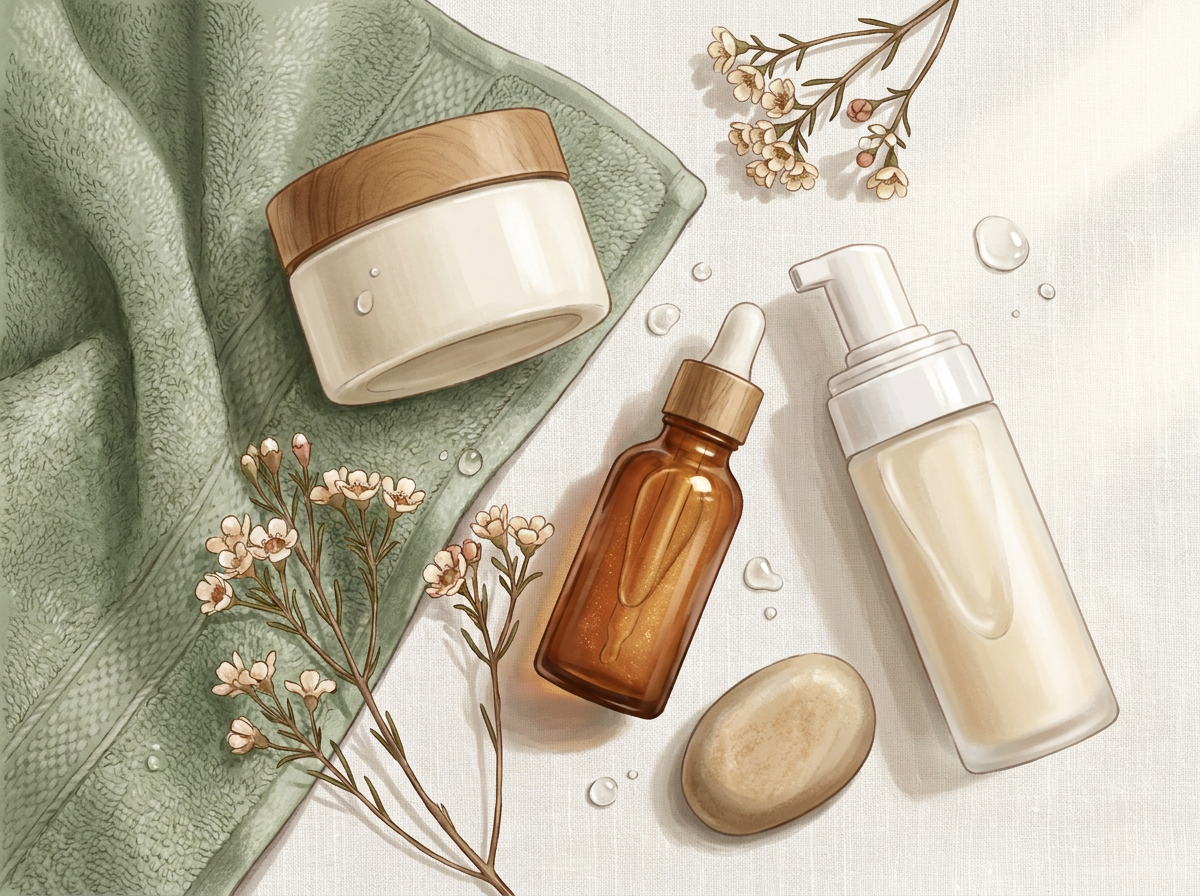
One of the best ways to replenish your skin barrier’s lipids is to moisturize regularly with formulas rich in barrier-building ingredients. Research and expert guidance suggest moisturizers that include ceramides, fatty acids, and cholesterol as the core of barrier repair.[2][3][6]
Look for an arm cream or body moisturizer that lists:
- Ceramides (often shown as “ceramide NP,” “ceramide AP,” etc.)
- Fatty acids and plant oils rich in lipids
- Cholesterol (in some advanced barrier creams)
Apply generously to damp skin after bathing to help trap water in the upper layers.
3. Hydrating Actives: Niacinamide + Humectants
An ideal formula for thinning arm skin layers humectants with barrier-supportive actives like niacinamide.
Clinical and expert guidance recommend combinations such as:[2][3][4][6]
- Niacinamide (for barrier strength, elasticity, and antioxidant support)
- Hyaluronic acid and glycerin (to deeply hydrate)
- Panthenol (to soothe and support healing)
These can appear in a serum or lotion; what matters most is regular, consistent use and pairing them with lipids.
4. Nighttime “Barrier Sandwich” Routine
At night, your skin shifts into repair mode. Many barrier-focused experts recommend a “sandwich” method for mature skin: applying a hydrating serum, then a lipid-rich moisturizer, and optionally sealing with an oil.[1][5]
For thinning arm skin, your nightly routine might look like:
- Step 1: Cleanse gently and pat your arms dry, leaving them slightly damp
- Step 2: Apply a hydrating serum with niacinamide and humectants
- Step 3: Layer on a ceramide-rich, fatty acid–rich moisturizer
- Step 4: If very dry, add a few drops of a nourishing oil over the cream
This approach addresses all three pillars of barrier health: hydration, lipid replenishment, and protection.[1][3]
5. Smart, Gentle Exfoliation
Over-exfoliating is one of the fastest ways to demolish a fragile barrier. Dermatology and skincare guidance consistently warn against harsh scrubs and frequent exfoliation for mature skin.[1][2][3][4]
For thinning arms:
- Limit exfoliation to 1–2 times per week
- Choose a gentle lactic acid or mild AHA lotion instead of rough scrubs
- Always follow exfoliation with a lipid-rich moisturizer
This supports cell turnover and smoothness without stripping away the very lipids you’re trying to rebuild.
6. Daily Broad-Spectrum Sun Protection
Because photodamage accelerates thinning and fragility, daily SPF on the arms is a powerful “anti-thinning” step. Skincare guidance emphasizes broad-spectrum SPF 30+ applied every day, especially when you’ll be outdoors.[2][3]
For arms, you can use:
- A lightweight body SPF lotion or cream
- Mineral formulas if your skin is easily irritated
- Reapplication every 2 hours when outdoors for extended periods
Think of sunscreen as your investment in future arm thickness and resilience, not just a summer-only step.
How Long Does Barrier Repair Take for Thin Arm Skin?
Rebuilding a depleted barrier and supporting thinning skin is a gradual process, but the timeline is encouraging when you’re consistent.
Studies on ceramide-containing moisturizers show measurable improvements in hydration and barrier function within several weeks of regular use, with continued gains over longer periods.[3] Lipidomics data suggest that targeted lipid replenishment can counteract age-related declines in ceramides and fatty acids, improving barrier performance.[6]
In real life, many women notice:
- Less tightness and dryness within 1–2 weeks of consistent moisturizing
- Softer texture and fewer “white” dry lines within 4–6 weeks
- A more cushioned, less “paper-thin” feel over 2–3 months, especially when pairing lipids, humectants, and sun protection
Because hormonal changes continue over time, barrier repair is not a “one and done” project; it’s an ongoing, nurturing routine that keeps your skin supported as your body evolves.
Empowering Your Routine: Small Steps, Big Changes
It can be unsettling to see your arm skin change so quickly in your 50s and beyond. But every time you choose a gentle cleanser over a stripping one, layer ceramides over a hydrating serum, or apply SPF before heading out, you’re actively protecting and nourishing your skin’s future.
If you’re asking, “Why is my skin getting thinner?” the answer is multifaceted—hormones, lipid loss, and sun exposure all contribute. But the follow-up question—“What can I do about it?”—has hopeful, science-backed answers. Targeted lipid replenishment for over 50, thoughtful ingredients like niacinamide and panthenol, and a consistent barrier repair routine can make your arms feel stronger, more comfortable, and more radiant again.[1][2][3][4][6][8]
At Hygieia Skin Care, we believe caring for your skin is a form of self-respect, not perfectionism. Your arms have carried groceries, held loved ones, and reached for new experiences. They deserve the same thoughtful, science-backed care you give your face.
Call to Action: Start Your Barrier Repair List Today
You don’t need to overhaul your entire life to start healing thin skin on your arms. Begin with three simple actions:
- Edit your cleanser: Choose a gentle, hydrating wash for your body and arms.
- Add a barrier-focused moisturizer: Look for ceramides, fatty acids, cholesterol, niacinamide, and humectants in your daily arm cream.
- Commit to daily SPF on your arms: Make sunscreen as routine as your morning coffee.
From there, you can build a fuller routine with hydrating serums, nighttime “barrier sandwich” layering, and gentle resurfacing—always with your skin’s comfort as the guide. If you’d like to go deeper into how hormones and dehydration affect mature skin, explore our post Menopause, Dehydration & Skin: The Hormonal Shift, and for more on collagen support and thinning, visit Retinol: Rebuilding Thinning Skin with Molecular Architecture.
Your skin is changing, but you are not powerless. With science on your side and a little daily care, your arms can feel nourished, supported, and beautifully yours at every age.
References
- Brincat et al. “Effect of estrogens on skin aging and the potential role of SERMs.” Dermatoendocrinology, 2009.[8]
- “Region-Specific Lipid Alterations Around the 28-Year Transition…” Skin lipidomics study, 2026.[6]
- “Efficacy of Ceramide-Containing Moisturizers in Senile Xerosis.” Review of barrier repair formulations.[3]
- Guidance on barrier-supportive ingredients: ceramides, fatty acids, cholesterol, niacinamide, hyaluronic acid, glycerin, panthenol.[1][2][3][4][6]
- Review on dermatoporosis and age-related skin fragility, including sun-exposed forearms.[10]
- Studies on topical DHEA and estrogen therapies for postmenopausal skin thickness and hydration.[8][9]


