Post-Sun Recovery: Clinical Guide for Mature Skin Rejuvenation

There’s a unique contentment that comes from a day spent under the warm Florida sun. Whether it was time spent in your garden, a leisurely walk along the shore, or simply the beautiful light streaming through your window, that warmth feels like a vital part of life. And as the day winds down, there’s a new ritual that begins: the gentle art of post-sun skin recovery. For those of us with mature skin, this isn’t about trying to erase a day of living; it’s about mindfully nurturing our skin, replenishing its resources, and fortifying it for the days to come. It’s a moment of profound self-care, grounded in both nature and science.
You may be familiar with the soothing feel of aloe on sun-kissed skin, but true rejuvenation goes much deeper than surface-level cooling. It's a sophisticated process of barrier repair, targeted nourishment, and antioxidant defense. The sun gives us so much, but it also asks a lot of our skin, particularly as we move past 50. The development of fine, crepey texture on our arms, chest, and legs can often be accelerated by sun exposure. But with the right knowledge and a dedicated post-sun skincare routine, you can give your skin exactly what it needs to remain resilient, smooth, and breathtakingly radiant. This is your clinical guide to understanding what your skin truly craves after a day in the sun, and how to provide it with scientifically-proven care.
Beyond the Burn: The Science of Sun on Mature Skin
To truly understand post-sun recovery, we must first appreciate what’s happening within our skin’s delicate layers. It’s a far more complex story than just a tan or a mild burn. Every moment of UV exposure initiates a cascade of biological responses, some helpful and some harmful.
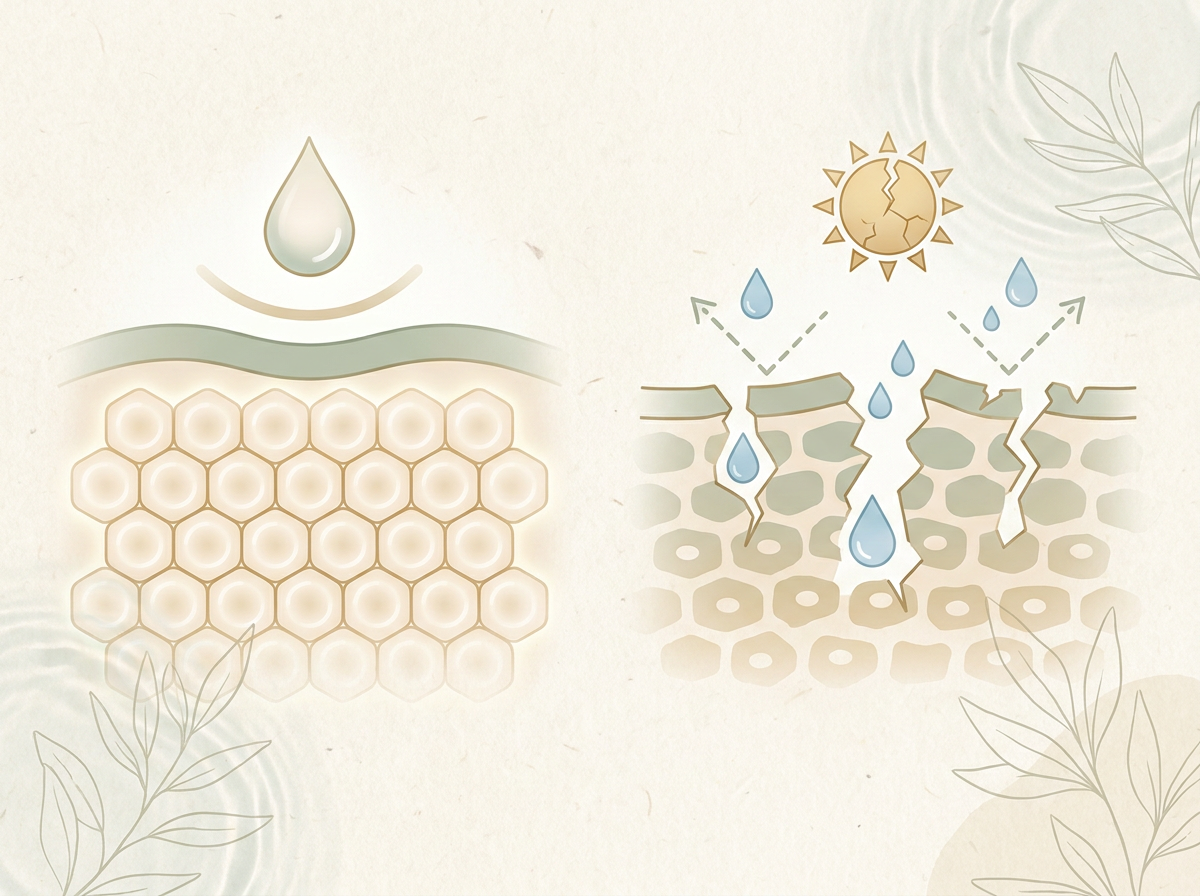
One of the most significant impacts, especially for mature skin, is barrier disruption. Think of your skin barrier as a meticulously constructed brick wall, with skin cells as the bricks and lipids (like ceramides) as the mortar holding everything together. A healthy barrier keeps moisture in and irritants out. A landmark 2023 review in Photochem Photobiol Sciences highlighted that solar UV overexposure significantly harms this barrier function, alongside other risks like photoaging. For seniors, this disruption is particularly concerning, as our skin's natural ability to produce these essential lipids diminishes with age, making it harder to bounce back. This is why a post-sun routine for women over 50 must prioritize summer skin barrier repair.
Interestingly, our relationship with the sun is also tied to our brain chemistry. It’s not just your imagination; the sun really can make you feel good. A fascinating 2016 study in Psychiatry Research found that UV exposure can trigger a dopamine release in the brain, similar to other rewarding behaviors. This can create a cycle where we subconsciously seek more sun, potentially leading to more damage. This doesn’t mean we should hide from the sun, but it does underscore why having a powerful and pleasurable recovery ritual is so crucial—it helps us consciously care for our skin to counteract this subconscious pull.
A Balanced View: Not all sun exposure is detrimental. In fact, a 2023 study published in Photochem Photobiol Sciences discovered that low doses of daylight—equivalent to just one Standard Erythema Dose (SED) of UV-A—can actually boost the release of nitric oxide in skin cells. This molecule helps with vasodilation (widening of blood vessels), promoting circulation and repair mechanisms without causing significant DNA damage. The key is moderation and a robust plan for what comes after.
Ultimately, a smart approach to sun exposure isn’t about fear; it’s about balance. It’s about enjoying the light and warmth, then coming home to a routine that lovingly restores the equilibrium your skin needs to thrive.
The Twin Pillars of Rejuvenation: Barrier Repair and Deep Hydration
After a day outdoors, your skin has two immediate and pressing needs: replenishing lost water and rebuilding its compromised protective barrier. Addressing these two pillars is the foundation of any effective skin recovery for seniors. While they are interconnected, they require different strategies and ingredients to be truly effective.
Hydration is the immediate quench your skin is thirsting for. Sun and heat increase Transepidermal Water Loss (TEWL)—a scientific term for the process of water evaporating from the skin's surface. This is what leads to that tight, dry, and often flaky feeling. Ingredients like Hyaluronic Acid are fantastic at this stage, acting like a magnet for water to plump up skin cells instantly.
However, hydration alone is a temporary fix if the barrier isn't repaired. If the "mortar" in your skin's wall is crumbling, any water you add will quickly escape. This is where barrier repair becomes the hero of long-term recovery and is absolutely essential for improving the look of crepey skin.
For this task, the science points unequivocally to ceramides. A groundbreaking 2018 study focused on women over 50, published in the prestigious Journal of Investigative Dermatology, provided stunning evidence. The researchers compared the effects of a multi-vesicular ceramide emulsion against other ingredients after UV-induced barrier disruption. The results were clear:
- For the 30 women over age 50 who participated, a two-week application of the ceramide and hyaluronic acid formula reduced TEWL by a remarkable 52%.
- In contrast, a formula with the antioxidant idebenone only reduced water loss by 28%.
This study confirms that for mature skin, a combination of barrier-building ceramides and hydrating hyaluronic acid is the superior strategy for post-sun repair. It doesn’t just add moisture; it rebuilds the very structure that holds moisture in, leading to skin that is not only hydrated but also stronger, more resilient, and visibly smoother.
The Antioxidant Debate: Idebenone vs. Hyaluronic Acid for Lasting Repair
Once we’ve addressed immediate hydration and barrier fortification, our focus shifts to mitigating the long-term effects of sun exposure: oxidative stress. UV rays generate free radicals, unstable molecules that damage collagen and elastin, the proteins that keep our skin firm and smooth. This damage is a primary driver of wrinkles and that delicate, crepey texture on our arms and décolletage. This is where antioxidants come in, and a compelling scientific debate emerges between two popular ingredients: hyaluronic acid vs idebenone.
As we've established, Hyaluronic Acid (HA) is an unparalleled hydrator. It can hold up to 1,000 times its weight in water, making it a superstar for immediate plumping and soothing sun-parched skin. However, its primary role is hydration, not neutralizing free radicals.
Enter Idebenone. This potent antioxidant is a bioengineered derivative of Coenzyme Q10, but it’s smaller and more stable, allowing for better penetration into the skin. A pivotal 2005 study in the Journal of Cosmetic Dermatology, whose findings have been consistently reaffirmed, put Idebenone to the test against other common antioxidants. The research found that Idebenone offered superior protection against oxidative stress. In one clinical trial involving 41 women over a six-month period, those using a 0.5-1% Idebenone formula saw a 29% reduction in the appearance of wrinkles, compared to just 12% for those using other standard treatments.
So, what does this mean for your post-sun routine? It means you don’t have to choose. A truly sophisticated approach uses both ingredients for their unique strengths:
- Hyaluronic Acid: Use this first for an immediate infusion of cooling, plumping hydration. It calms the skin and preps it for the next step.
- Idebenone: Follow with an Idebenone-rich serum or cream to provide powerful, ongoing protection against the free radical damage that will otherwise show up as wrinkles and crepey texture weeks or months later.
This strategic one-two punch is particularly effective for rejuvenating crepey arms and other body areas that see frequent sun. By first restoring moisture with HA and ceramides, then defending against deeper damage with Idebenone, you create a comprehensive defense system that supports truly youthful, resilient skin.
Your Step-by-Step Post-Sun Rejuvenation Ritual
Now, let's translate this science into an elegant, actionable ritual you can practice after any day spent enjoying the outdoors. This isn't just a routine; it's a gesture of profound care for the skin you live in.
Step 1: The Gentle Cleanse
The first step is always to wash the day away—sunscreen, sweat, salt, and environmental pollutants—without stripping your already-sensitized skin. Opt for a creamy, milky, or oil-based cleanser that respects your skin's delicate acid mantle. Massage it in gently and rinse with lukewarm or cool water to avoid exacerbating inflammation.
Step 2: Cool, Calm, and Hydrate
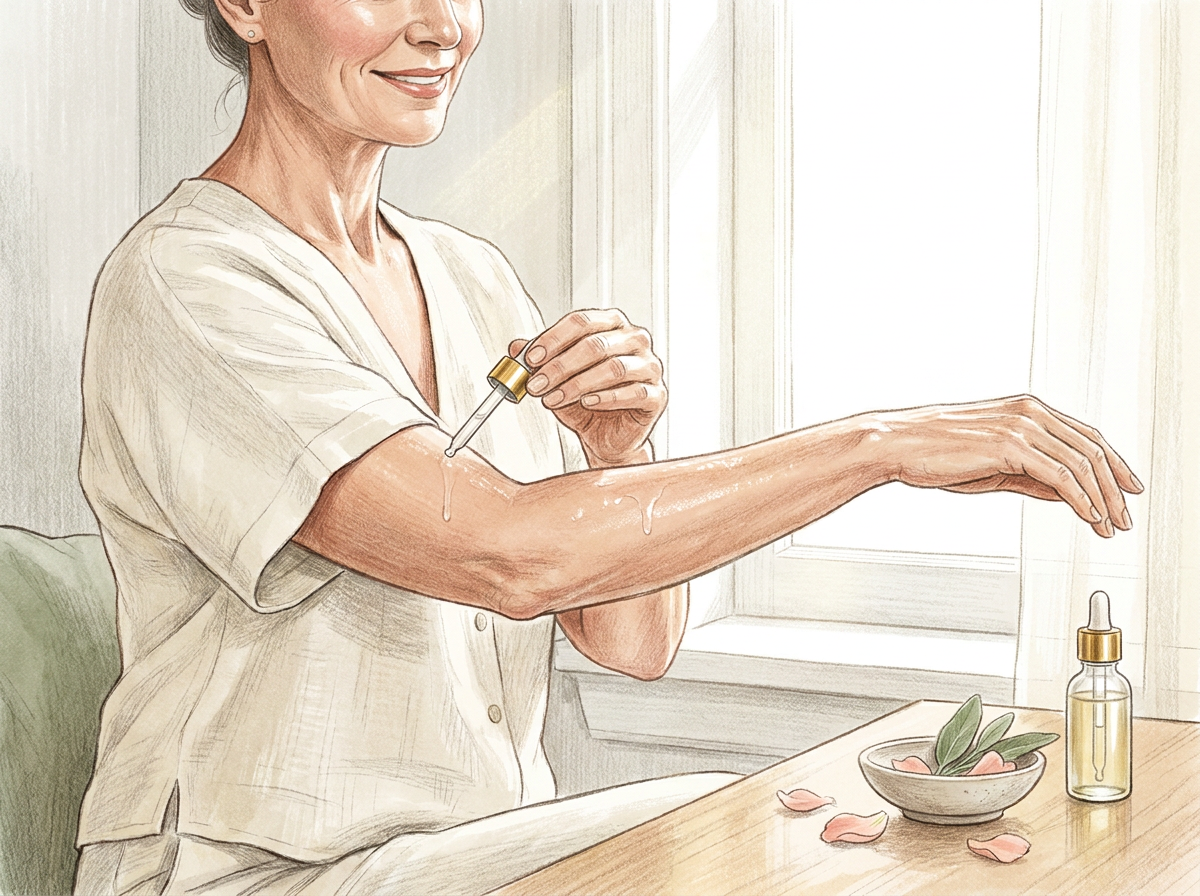
On skin that is still slightly damp (this is key for absorption!), it's time for that initial wave of hydration. You can start with a cool compress if your skin feels particularly warm. Then, generously apply a serum rich in Hyaluronic Acid. Pat it gently onto your face, neck, chest, and even the backs of your hands and arms. This will immediately begin to replenish the water lost throughout the day.
Step 3: Fortify the Barrier
This is your critical repair step. Following the science from the Journal of Investigative Dermatology, now is the time to apply a product abundant in ceramides. Look for a moisturizer or a concentrated serum that lists Ceramides (e.g., Ceramide NP, AP, EOP) high on the ingredient list. This will work to seal the cracks in your skin’s barrier, locking in the hydration from the previous step and preventing further water loss. This is the secret to transforming your summer skin barrier repair from a temporary fix into a long-term strategy. For a deeper dive into how to layer these products effectively, you may find our guide on Layering Creams & Serums for Crepey Skin Repair especially helpful.
Step 4: Defend with Antioxidants
With your skin hydrated and your barrier on the mend, it’s time to deploy your defenses. Apply a serum or lightweight cream containing powerful antioxidants like Idebenone or even a well-formulated peptide complex. This step neutralizes the free radicals generated by UV exposure, protecting your collagen and elastin from long-term degradation. If you're wondering how these ingredients compare to retinoids, our article Peptides vs. Retinoids: Treating Crepey Skin After 50 offers a comprehensive look.
Step 5: Extend Care to the Body
The skin on our bodies deserves the same meticulous care. Pay special attention to your neck, chest (décolletage), and arms, which are often the first places to show sun-induced crepey texture. Use your hydrating and barrier-repair products generously in these areas. Making this part of your evening wind-down can be a beautiful act of self-care. For more ideas on how to incorporate this into your evenings, explore our 7 Nighttime Rituals for Crepey Neck & Chest Skin.
A Note on What to Avoid: The Arnica Myth
You may have heard recommendations to use Arnica for post-sun inflammation, as it's often touted online for bruising. However, it's wise to stick to proven ingredients. A comprehensive 2024 systematic review published in Dermatologic Surgery examined the evidence and found that Arnica has a very small, often insignificant, effect in post-procedure settings and lacks specific data for UV-induced damage. For reliable results, it's best to prioritize scientifically-backed ingredients like ceramides, hyaluronic acid, and powerful antioxidants that are proven to support skin's recovery process.
Embrace the Sun, Empower Your Skin
Living a full, vibrant life means embracing the sunshine, not hiding from it. The goal is not to turn back the clock, but to partner with our skin, giving it the intelligent, science-backed care it needs to age gracefully and radiantly. A post-sun recovery ritual is one of the most powerful tools in your skincare arsenal. It transforms a moment of potential damage into an opportunity for profound nourishment and repair.
By understanding the science—from the importance of barrier repair with ceramides to the defensive power of antioxidants like Idebenone—you can move beyond generic advice and build a routine that is truly customized for your mature skin's needs. This is self-care as empowerment. It's the confidence to wear that beautiful sundress, to spend an afternoon in the garden, and to know that you have the knowledge and the tools to care for your skin with wisdom and love afterwards.
Ready to build your own science-backed post-sun recovery ritual? We invite you to explore our collection of restorative serums and barrier-fortifying moisturizers, formulated with the very ingredients proven to rejuvenate and protect mature skin. Let us help you give your skin the nurturing it deserves.
References
- Aubert PM, Seibyl JP, et al. (2016). Dopamine efflux in the nucleus accumbens during ultraviolet radiation in addicted tanners. Psychiatry Research: Neuroimaging, 254, 73-79.
- Cooke, ME, et al. (2023). UVA Irradiation of Human Skin Cells at a Low Dose of 1 SED Promotes a Nitric Oxide-Dependent Defense and Repair Response. Photochemical & Photobiological Sciences, 22, 2379–2390. Published as PMC10539323.
- McDaniel DH, Neudecker BA, DiNardo JC, Lewis JA 2nd, Maibach HI. (2005). Clinical efficacy of a new topical antioxidant lotion. Journal of Cosmetic Dermatology, 4(1), 10-17.
- Friedman, O, et al. (2024). The Efficacy of Arnica in the Reduction of Postprocedural Bruising and Swelling. Dermatologic Surgery, 50(3), 288-293. DOI: 10.1097/DSS.0000000000004599.
- Mao-Qiang, M, et al. (2018). A Multivesicular Emulsion Ceramide-Containing Moisturizer is Effective for Dry, Eczematous, and Aging Skin. Journal of Investigative Dermatology, 138(5), S85. Abstract from SID Annual Meeting. (Reference to related full study PubMed ID: 29353035).
- Norval, M, & Halliday, GM. (2023). Benefits and harms of solar UV radiation: implications of the Montreal Protocol. Photochemical & Photobiological Sciences, 22, 513–530. Published as PMC9976694.


