Deeply Hydrate Skin Over 50: 4 Science-Backed Ways

If you’ve ever looked in the mirror and thought, “My skin doesn’t just look dry — it looks like it’s drinking everything I put on it and still asking for more,” you are not alone. After 50, many women notice that their skin feels tight, flaky, and tired-looking even when they’re using good products. That’s because true, deep hydration is more than “just put on a thicker cream” — it’s about helping mature skin hold onto water from the inside out.
In this guide, we’ll go beyond crepey skin and quick fixes. You’ll learn four science-backed ways to deeply hydrate skin over 50, how to build a routine that supports mature skin moisture, and what to know about skin hydration for seniors, including smart ingredient choices like hyaluronic acid vs liposomes. Our goal: skin that feels comfortably cushioned, looks more radiant, and actually stays hydrated throughout the day.
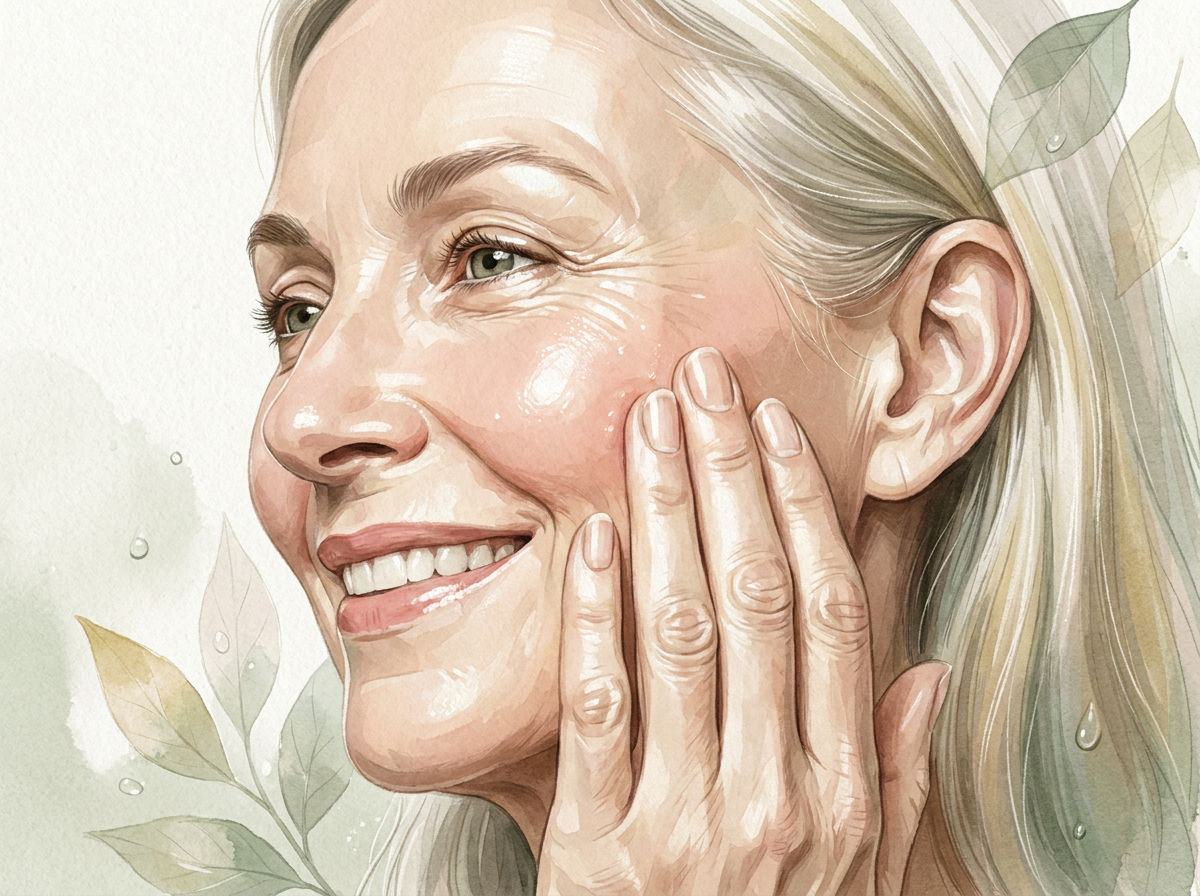
Understanding Why Skin Over 50 Gets So Dehydrated
Before we dive into solutions, it helps to understand what’s happening beneath the surface. Mature skin isn’t “failing” you — it’s simply changing.
The Three Big Shifts in Hydration After 50
-
Less natural oil production
Oil glands slow down with age, which means less of the natural protective film that keeps water from evaporating off your skin. This makes it easier for moisture to escape, especially in dry indoor air or harsh weather.[3] -
Weakened skin barrier
The outer layer of your skin (the barrier) is made of lipids like ceramides, cholesterol, and fatty acids that act as a seal. These decline over time, so water escapes more quickly and irritants get in more easily.[3][4] -
Accelerated water loss
Dermatologists often talk about transepidermal water loss (TEWL), which is simply the rate at which water evaporates from the skin’s surface. With age, TEWL goes up, which is why mature skin often feels dry, tight, or even itchy despite regular moisturizing.[3][4]
On top of that, crepey texture — which we explore in detail in our body-focused posts like “Leg Crepey Skin: Rebuilding Dermal Density for Firmer Legs” — is often a combination of dehydration, collagen loss, and sun damage. Addressing hydration is a foundational step, but not the only one. Here, we’ll focus specifically on deep hydration strategies to support everything else you’re doing for healthy aging.
“Deep hydration is a process: pull water into the skin, cushion and repair the barrier, then seal it so the moisture doesn’t simply evaporate.”[3][6]
Way #1: Use a Layered Hydration Routine (Not Just One Moisturizer)
For dry skin over 50, a single cream often isn’t enough. The most effective routines treat hydration like a three-step team: humectants, emollients, and occlusives.[3][6]
Step 1: Humectants — Your “Water Magnets”
Humectants are ingredients that attract and bind water to the skin. Common examples include:
- Hyaluronic acid (HA)
- Glycerin
- Polyglutamic acid
- Aloe vera
Dermatologists often recommend applying hyaluronic acid serums on slightly damp skin for better absorption and more lasting hydration.[3][7] Dampness gives these “water magnets” something to bind to, so they pull moisture from the surface rather than from deeper layers of your skin.
How to do it tonight:
- Cleanse with a gentle, non-stripping cream or milk cleanser.[5][8]
- Lightly mist your face with a hydrating toner or water.
- While skin is still slightly damp, press on a serum rich in glycerin and multi-weight hyaluronic acid (different molecule sizes reach different layers of the skin).[3][4]
Step 2: Emollients — Filling the Gaps
Emollients smooth and soften the skin by filling in the spaces between cells. They help rebuild comfort and flexibility in the barrier. Look for:
- Ceramides
- Squalane
- Cholesterol and phytosterols
- Fatty acids and plant oils (e.g., rosehip, marula, or evening primrose)[3][4]
Mature skin responds especially well to ceramide-rich creams. These help mimic the skin’s natural lipids and restore that protective “cushion” over time.[3][4] In one dermatologist-focused overview, ceramides are described as “key” for locking in moisture and supporting barrier repair for women over 50.[1]
Step 3: Occlusives — Sealing It All In
Occlusive ingredients form a thin barrier on top of the skin to slow down water loss. They’re particularly helpful for chronic dry skin over 50 and in dry or windy climates. Common options include:
- Dimethicone (a silky-feeling silicone)
- Petrolatum (very effective at sealing)[3]
- Rich butters like shea butter[7]
- Thicker balms or “slugging” products (used sparingly in mature routines)[4]
You don’t necessarily need a heavy occlusive every day. A light occlusive layer a few nights a week — or focused on the driest areas, like around the mouth or on the neck — can make a noticeable difference in morning comfort.[3][4]
Try this 4-layer evening hydration trick:[5]
- Gentle cleanse (no harsh foaming).
- HA-rich serum on damp skin.
- Ceramide and barrier repair moisturizer, pressed in rather than rubbed.[5]
- A few drops of a nourishing facial oil over top, especially on the driest areas.[4][5]
Consistency matters: doing this at least five nights a week helps your skin reach a steadier, more comfortable baseline.[5][6]
Way #2: Choose Smart Ingredients — Hyaluronic Acid vs Liposomes and Friends
Not all “hydrating” ingredients work the same way, and some are better suited to mature skin moisture than others. Two that often come up in anti-aging conversations are hyaluronic acid and liposomes.
Hyaluronic Acid: The Classic Hydration Workhorse
Hyaluronic acid (HA) is naturally present in your skin and can hold up to 1,000 times its weight in water. In topical products, it works mostly in the upper layers of the skin, improving plumpness and flexibility when used correctly.[3][4][7]
- Best in serums or hydration layers applied to damp skin.[3][7]
- Most effective when combined with other humectants like glycerin or polyglutamic acid.[4]
- Gentle enough for daily, even twice-daily use in most routines.[7]
However, HA is not a moisturizer all by itself. Without supportive lipids and a seal, it can sometimes leave very dry, thin skin feeling tight once the water evaporates. That’s why pairing it with ceramides and an emollient-rich cream is crucial in senior skincare routines.[3][4]
Liposomes: Delivery Vehicles for Deeper Support
Liposomes are tiny, lipid-based spheres used to deliver active ingredients deeper into the skin. They don’t hydrate in the same “water-binding” way that HA does. Instead, they can carry hydrators, antioxidants, or peptides closer to where they can do more targeted work.
Think of it this way:
- Hyaluronic acid = water magnet sitting mostly near the surface.
- Liposomes = delivery trucks bringing beneficial ingredients into deeper layers.
In a routine for dry skin over 50, you might choose a hydrating serum that combines multi-weight HA with liposome-encapsulated actives like niacinamide or peptides. This gives you both immediate hydration and longer-term barrier and texture support.[3][4][8]
Other Hydration-Friendly Actives for Mature Skin
- Niacinamide (around 5%): Supports barrier function, reduces redness, and helps skin hold moisture more effectively.[4]
- Peptides: Can signal the skin to support collagen and elastin, softening the appearance of lines when used consistently.[2][4]
- Vitamin C derivatives: Offer antioxidant protection and brighten tone without the irritation of stronger forms, especially helpful in daytime hydration routines.[4][8]
Dermatologist guidance often emphasizes that for aging skin, layered humectants paired with ceramides and other lipids matter more than any single “hero” ingredient.[4] So, as you compare hyaluronic acid vs liposomes in marketing claims, remember: what counts most is how they’re combined and supported in the overall formula.
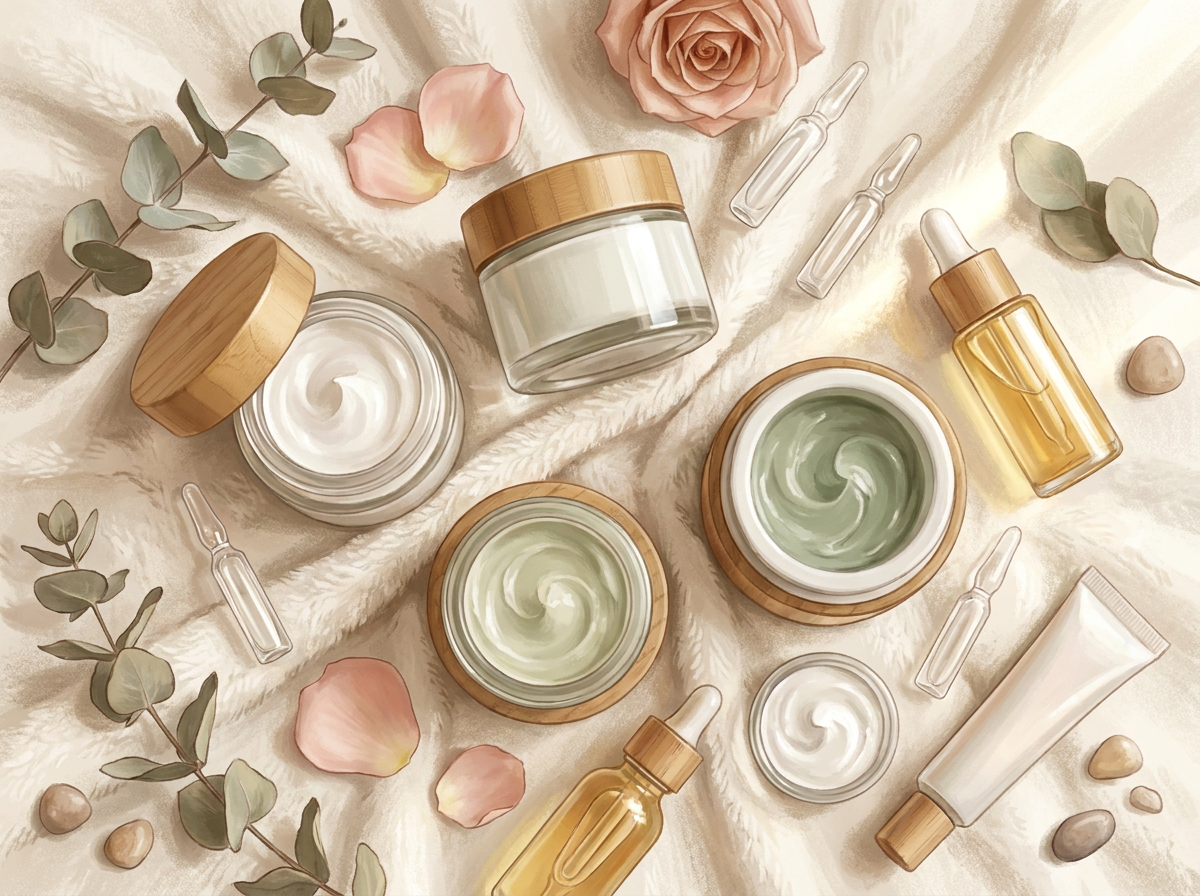
Way #3: Hydrate From the Inside Out (Water, Electrolytes, and Food)
No topical routine can fully compensate for dehydration from the inside. For skin hydration for seniors, lifestyle tweaks can be surprisingly powerful — and they don’t have to be extreme.[1][3][7]
Daily Water and Electrolytes
One simple guideline often recommended for women is to aim for around half your body weight in ounces of water per day, adjusting upward if you are very active or in hot weather.[1][3] For example, at 140 pounds, that’s about 70 ounces.
However, water alone isn’t the whole story. When you sweat — from exercise, warm climates, or even hot flashes — you lose electrolytes like sodium and potassium. Replacing these supports overall hydration balance.[1][3]
Practical hydration cues:[3][7]
- Drink a glass of water upon waking.
- Have another mid-morning and mid-afternoon.
- Include a glass with each meal.
- Use sugar-free electrolyte powders or coconut water when sweating more.[1][3]
Hydrating Foods That Support Mature Skin
Water-rich, nutrient-dense foods add another layer of support. Examples include:
- Watermelon, cucumbers, and celery — naturally high in water, especially refreshing in summer.[1][3]
- Omega-3-rich foods like flax seeds, chia seeds, and fatty fish — these healthy fats help reinforce the skin barrier.[3][7]
- Green tea and colorful vegetables — rich in antioxidants that help protect collagen and elastin.[7]
Pairing these foods with the kind of lunch recipes we share in posts like “Lunch for Radiant Skin: 3 Summer Recipes for Women Over 50” can create a gentle, everyday foundation for healthier, more hydrated skin.
Habits That Quietly Dry You Out
- Excess caffeine and alcohol — both can be dehydrating and may worsen dry, crepey texture.[1]
- Very low humidity indoors — keeping indoor humidity around 40–50% helps slow water loss from your skin.[3][7]
- Hot, long showers — these strip the natural oils that help your skin hold moisture.[4][7]
Small adjustments like using a humidifier, limiting extra cups of coffee or wine, and applying moisturizer within three minutes of bathing can significantly improve how soft and comfortable your skin feels day to day.[7]
Way #4: Protect Your Hydration: Barrier Care, SPF, and Gentle Exfoliation
Deeply hydrating mature skin isn’t just about adding moisture — it’s about protecting what you’ve built. Once you’re layering humectants and emollients, you want to make sure external factors aren’t undoing your hard work.
Respect the Skin Barrier
Your skin barrier is like a brick wall: skin cells are the bricks, and lipids are the mortar. When the “mortar” is damaged, water escapes more easily, and irritants get in. Supporting this barrier is one of the most powerful things you can do for comfort and glow.
Barrier-supportive choices for dry skin over 50:
- Use a cream or oil cleanser instead of harsh foaming washes.[4][5]
- Avoid over-cleansing — if your skin feels dry in the morning, sometimes a gentle rinse or hydrating toner is enough.[3][8]
- Choose moisturizers with ceramides, cholesterol, and fatty acids to help rebuild that “mortar.”[3][4]
- Add a facial oil at night if your skin still feels tight, especially in dry climates.[4]
Daily SPF to Protect Hydration Gains
Sun exposure speeds up collagen breakdown, increases TEWL, and worsens crepey texture — especially on the face, neck, chest, and hands.[1][4][7] Wearing broad-spectrum SPF 30+ every day is about more than preventing wrinkles; it actively helps preserve your skin’s ability to hold moisture.
- Choose a moisturizing SPF so it doubles as a hydration step.[3][4]
- Apply generously to face, neck, and chest; don’t forget hands.[4][7]
- Use protective clothing (hats, scarves) when outdoors for extended periods.[3]
We explore neck and chest care in more detail in “Smooth Crepey Neck & Chest Skin After 50 with Body Tools”, where physical tools like dry brushing complement hydration and SPF.
Gentle Exfoliation to Help Skin Hold Onto Moisture
Dead skin cells can pile up on the surface, making skin look dull and rough, and sometimes interfering with how well your hydrating products penetrate. Gentle exfoliation — used wisely — can help restore glow and allow moisturizers to work more effectively.[3][8]
- Use mild AHAs or PHAs in cleansers or toners if your skin tolerates them.[8]
- Exfoliate 1–3 times per week; less if you use a retinol at night.[3][4]
- Always follow exfoliation with a hydrating serum and a lipid-rich moisturizer.[3][4]
Dermatologists often recommend pairing exfoliation with antioxidants like vitamin C during the day and peptides or retinoids at night, to support cell turnover and repair while keeping hydration front and center.[4][8]
Putting It All Together: Your Simple Daily Hydration Blueprint
When you’re over 50, your time and energy are precious. You don’t need a 10-step routine to deeply hydrate — you need a smart, consistent one. Here’s a streamlined blueprint you can adapt with your favorite products.
Morning Routine for Mature Skin Moisture
- Cleanse minimally: Either rinse with lukewarm water or use a gentle, creamy cleanser if you feel oily.[4][8]
- Hydration serum: Apply a humectant-rich serum (glycerin + multi-weight hyaluronic acid) to slightly damp skin.[3][4]
- Barrier moisturizer: Use a ceramide and squalane-rich cream to cushion and protect.[3][4]
- SPF 30+: Finish with a moisturizing sunscreen to lock in hydration and protect your barrier.[1][4][7]
Evening Routine for Deep Repair
- Gentle cleanse: Remove makeup and sunscreen with a cream or oil cleanser.[4][5]
- Hydration layer: Apply HA serum or a hydrating toner-mist on damp skin.[3][5][7]
- Barrier repair step: Use a ceramide-rich moisturizer; press, don’t rub, to support intercellular repair.[5]
- Optional facial oil or treatment serum: Add a few drops of oil or a peptide/retinoid serum over top, focusing on the driest or most crepey areas.[4][5][8]
Pair this with consistent internal hydration, hydrating foods, and protective habits, and your skin will gradually feel less like it’s “drinking everything” and more like it’s quietly holding onto moisture and glow.
Ready to Go Beyond Crepey? Your Next Step
Deeply hydrating skin over 50 is not about chasing perfection — it’s about partnering with your skin as it changes. When you layer hydration thoughtfully, choose ingredients that truly support mature skin moisture, and protect your barrier daily, you give your skin what it’s been asking for: comfort, resilience, and a natural, healthy radiance.
At Hygieia Skin Care, we believe skincare for women over 50 should feel empowering, not overwhelming. If you’re ready to go beyond crepey and build a routine that deeply hydrates, cushions, and protects, explore our science-backed serums and moisturizers designed with mature skin in mind. Start by choosing one hydrating serum, one barrier-focused moisturizer, and committing to your morning SPF — then let your skin show you what consistency can do.
You deserve skin that feels as vibrant as you are. With a few intentional changes and the right, gentle support, deep hydration can become your everyday reality, not just a temporary glow after applying a product.


